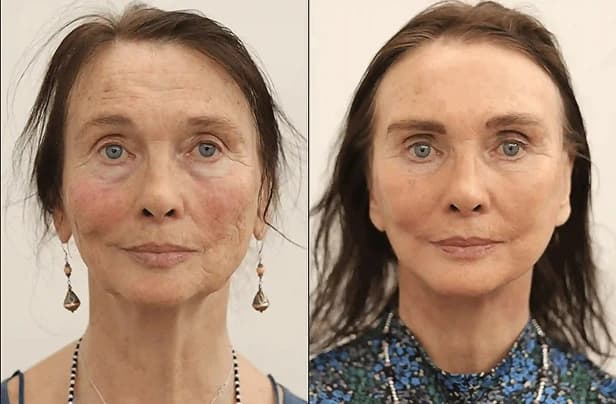
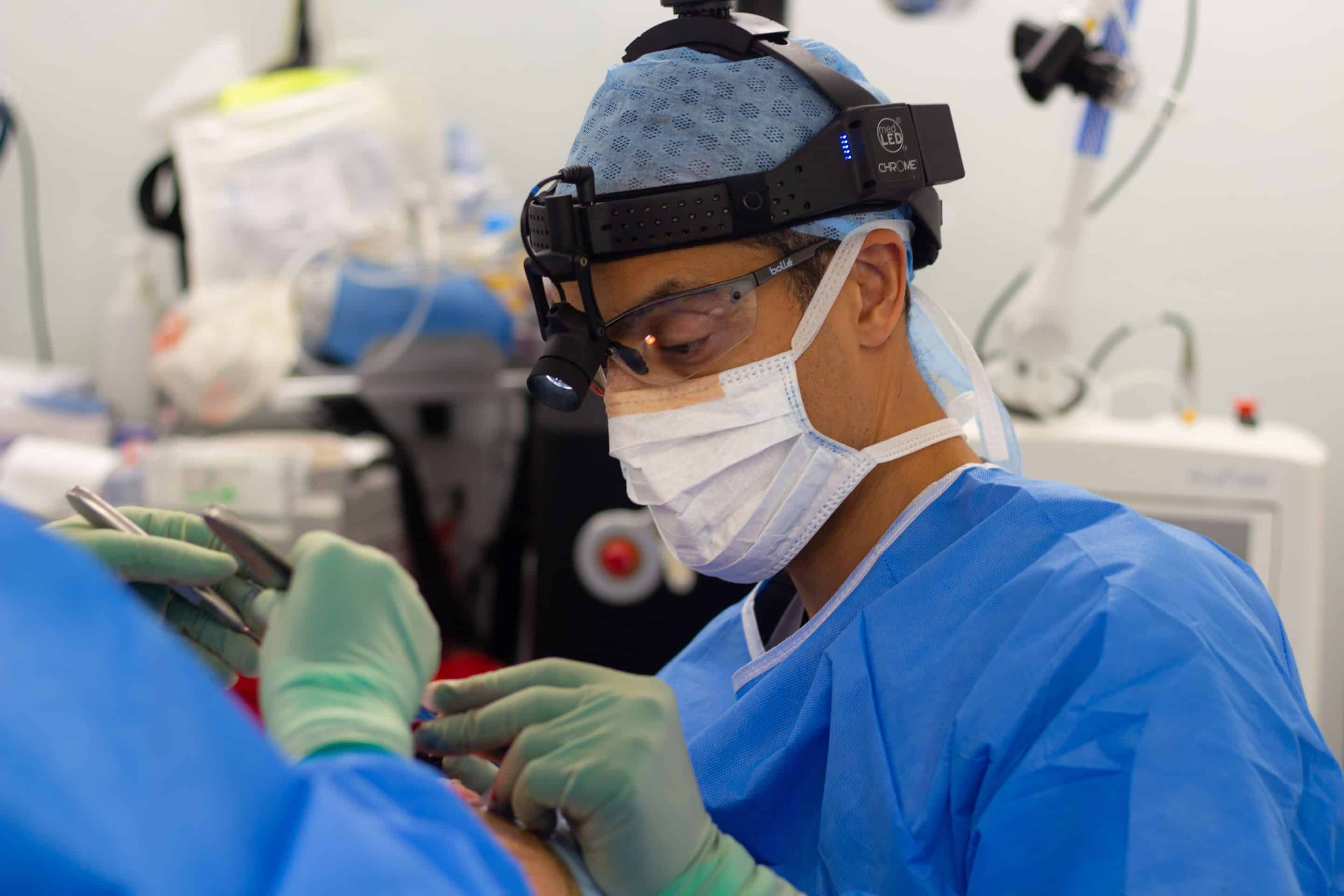
When Vanity Fair Italy wanted an expert view on how today's aesthetic treatments could affect tomorrow's facelift, they sought me out on Harley Street. It's a conversation I have often with patients too, because while non-surgical treatments and facelift surgery are usually considered separately, the treatments performed over many years can potentially change the tissues a surgeon encounters during a future operation.
The way people approach facial ageing has changed considerably over the past decade. Patients now have access to an expanding range of injectable treatments, collagen-stimulating products and energy-based devices designed to delay or reduce visible signs of ageing.
For many people, these treatments can play an important role. However, there is another question that is becoming increasingly relevant:
Could the treatments you choose today affect your options for facelift surgery in the future?
Before answering that directly, it's worth understanding who is actually considering facelift surgery today, and why that has changed.
Is There a Right Age for a Facelift?
There is no single ideal age for facelift surgery.
I have treated patients in their thirties as well as patients in their eighties. The appropriate time for surgery is determined much more by an individual's anatomy, degree of facial ageing and goals than by the number on their birth certificate.
What has changed is the age at which people begin asking about surgery.
Ten years ago, the majority of my facelift patients were in their fifties and sixties. Today, I see considerably more patients in their late thirties and forties seeking advice about facelift surgery. Many have already spent years having fillers and other non-surgical treatments and have reached a point where those treatments can no longer address the changes that concern them.
This reflects an important distinction between adding volume and repositioning tissue.
Facial ageing is not simply a matter of losing volume. Over time, facial tissues descend, ligaments become more lax and the proportions of the face can change. Adding more volume does not necessarily correct this descent.
This is why my philosophy is generally to lift what has dropped, replace only what has genuinely been lost, and treat skin quality separately.
The goal should not be to remove every sign of ageing. Natural skin texture, movement and expression are part of what makes a face look human.
Can Fillers Affect a Future Facelift?
Not all fillers should be considered in the same way.
Occasional and carefully performed treatment with hyaluronic acid filler is very different from repeated treatment with permanent materials.
My greatest concern for patients who may consider facelift surgery in the future is anything capable of producing significant or permanent changes within the anatomical planes in which facelift surgery is performed.
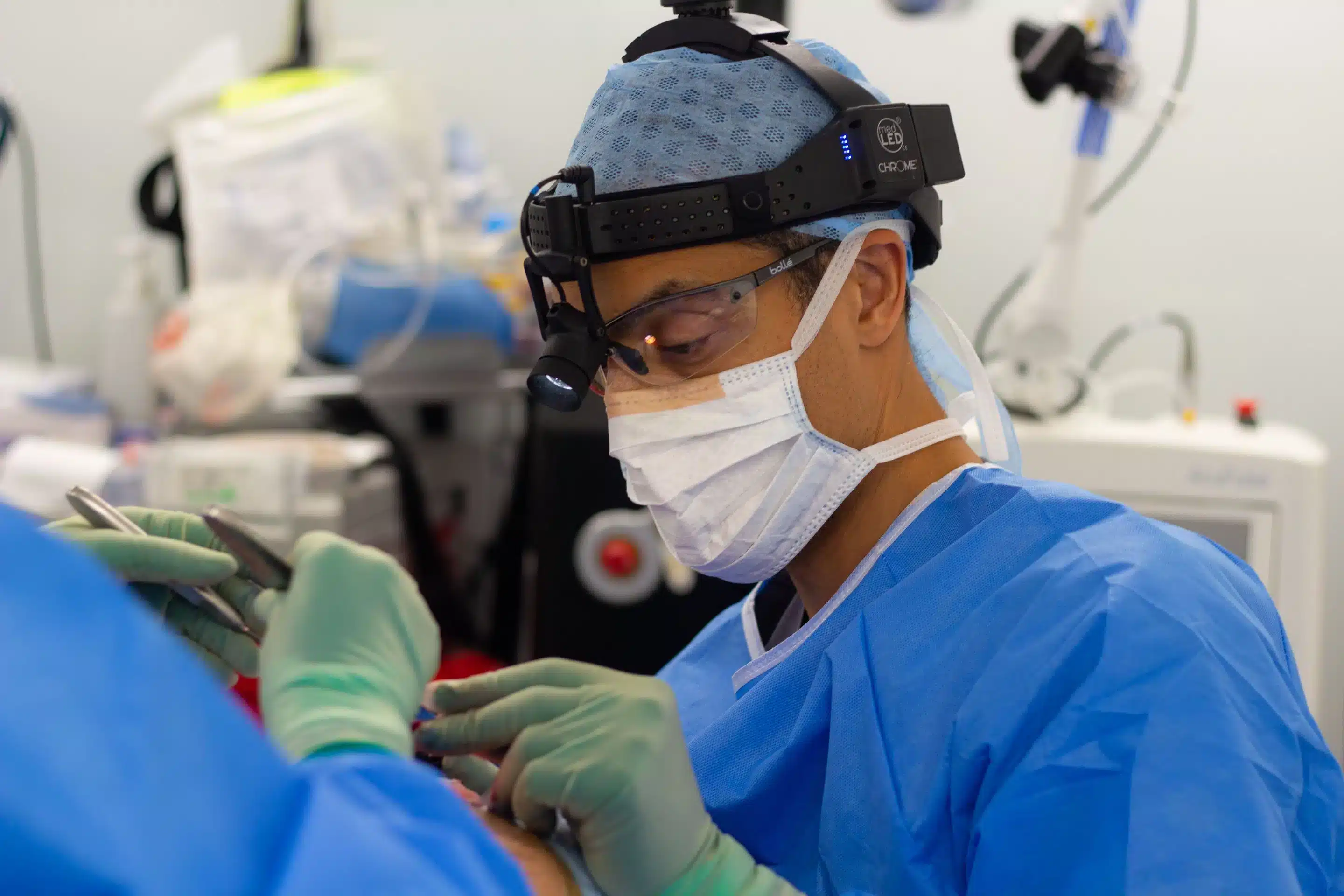
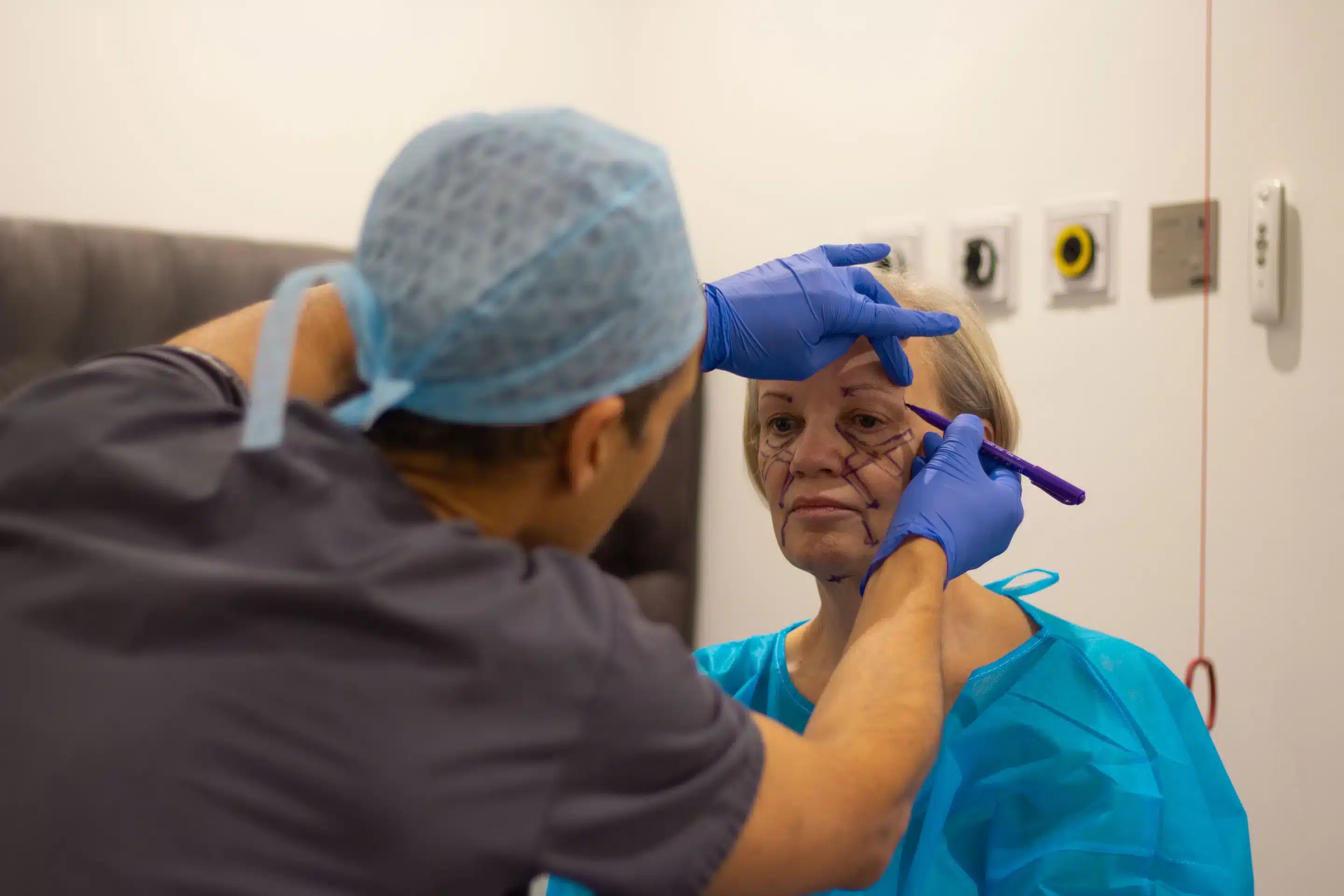
A modern facelift requires the surgeon to identify and dissect very precise layers beneath the skin. If previous treatments have resulted in fibrosis, scar tissue or nodules within these planes, the surgery may become more technically challenging.
This can potentially make dissection more difficult, increase operating time or require the surgeon to modify the surgical approach. Permanent fillers are a particular consideration because, once incorporated into the tissues, they may be difficult to remove or work around precisely.
What About Collagen-Stimulating Injectables?
Biostimulatory injectables have become increasingly popular. These include products based on substances such as:
-
PLLA (poly-L-lactic acid)
-
PDLLA (poly-D,L-lactic acid)
-
PCL (polycaprolactone)
-
CaHA (calcium hydroxyapatite)
These treatments work differently from conventional fillers. Rather than simply providing volume, they stimulate an inflammatory response that encourages the body to produce collagen.
That mechanism can be beneficial. But after repeated treatments, it may also leave tissues more compact or fibrotic in some patients.
For facelift and neck lift surgery, this matters because the tissue layers need to be carefully separated and repositioned. Scar tissue between those layers can make this process more complex, particularly when surgery involves deeper structures of the face and neck.
However, this is not a black-and-white issue.
The available evidence is conflicting, and not every patient who has undergone biostimulatory treatments will experience surgical difficulties. In my own experience, some patients have shown minimal impact from these treatments, and in a limited number of cases, the additional collagen and structural support may even provide a stronger foundation for surgery.
Can Radiofrequency and Energy-Based Treatments Affect Facelift Surgery?
This is another area patients should discuss carefully with their practitioner.
Some devices deliver energy into deeper layers of tissue with the intention of tightening skin or stimulating collagen. Depending on the technology, depth, intensity and number of treatments performed, these procedures may produce changes beneath the skin.
For someone who knows that facelift surgery may eventually be part of their long-term plan, it is therefore worth considering not only what a treatment may achieve today, but also what effect repeated treatment could have on the anatomy a surgeon may need to work with later.
Deep-energy treatments such as radiofrequency are among the procedures I specifically flag for this reason.
Does This Mean You Should Avoid Non-Surgical Treatments?
No.
The important point is not that patients should stop having injectables or energy-based treatments. It is that aesthetic medicine should be approached as a long-term treatment strategy, rather than as a series of isolated procedures.
A treatment that is appropriate for one person may not be appropriate for another. Age, anatomy, previous procedures, skin quality and future surgical plans should all influence the decision.
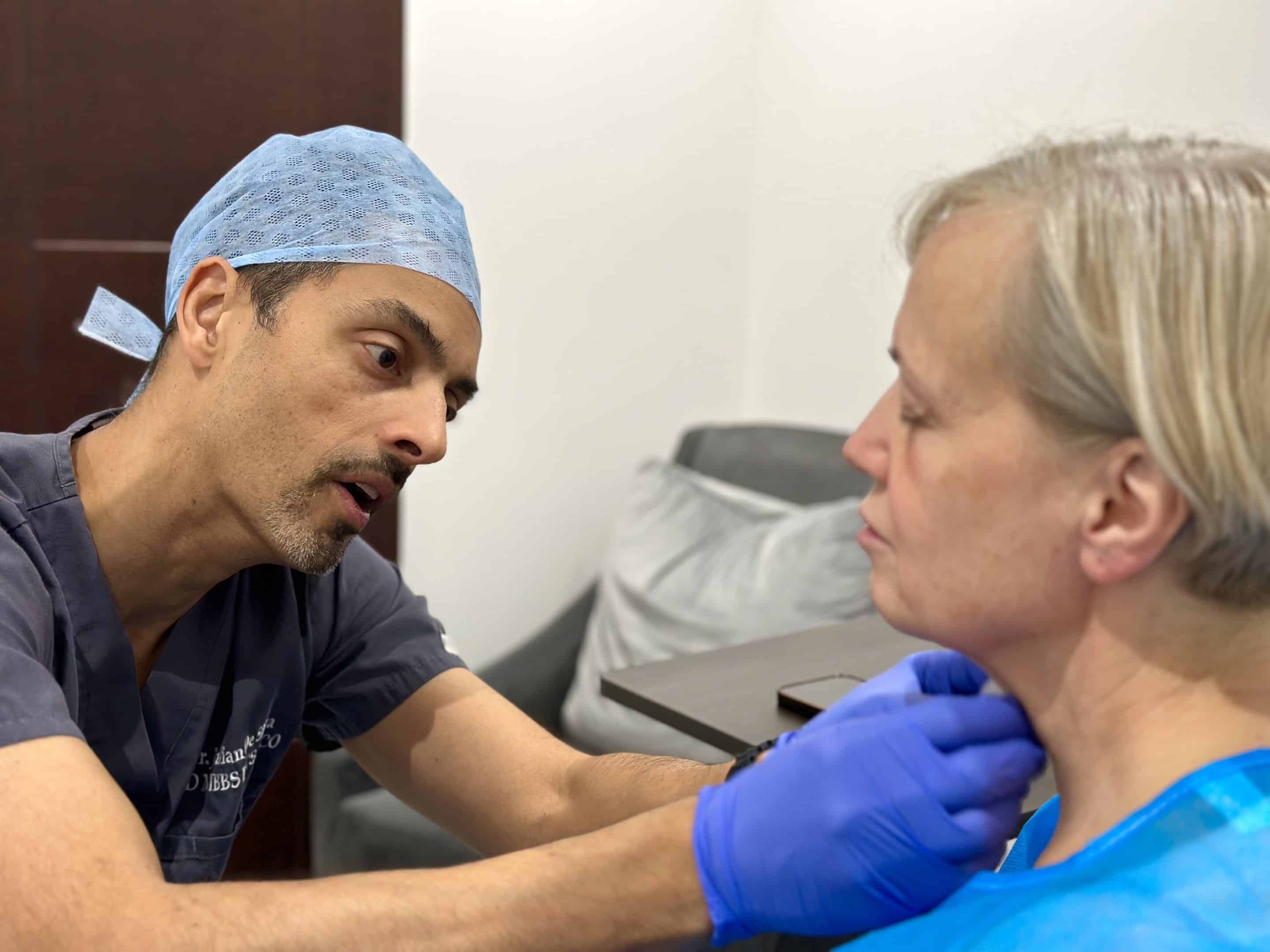
If you think you may eventually consider facelift surgery, tell your practitioner. Understanding your longer-term goals can help determine which treatments make sense now and which may be better avoided.
It is also important to keep an accurate record of previous treatments, including the product used, where it was placed and approximately when it was performed. This information can be useful if you later consult a facial surgeon.
The Shift From “Fill” to “Lift”
Perhaps the biggest change in facial rejuvenation over the past 20 years has been a better understanding of what actually happens as the face ages.
For many years, adding volume became the answer to almost every age-related change. But ageing is not simply deflation.
Tissues descend. Ligaments loosen. Facial proportions change.
When the primary problem is descent, repeatedly adding volume can make the face heavier rather than restore its younger structure. In these patients, repositioning tissue may provide a more appropriate solution than continuing to add volume.
The same three principles apply: lift what has dropped, replace only what's genuinely gone, and treat the skin on its own terms.
The objective of facial rejuvenation should be to help someone look refreshed while preserving the features, proportions and expressions that make that person recognisable.
Planning Facial Rejuvenation for the Long Term
Patients today have more options than ever before. That is a positive development, but having more options also makes thoughtful planning increasingly important.
Someone in their thirties may not need or want a facelift today. But if surgery could become an option in their forties, fifties or later, it is worth considering how today's treatments fit into that longer journey.
For patients considering facial rejuvenation, the most useful question may therefore be not simply:
“What can I do to my face today?”
but:
“What approach will preserve my options and anatomy for the future?”
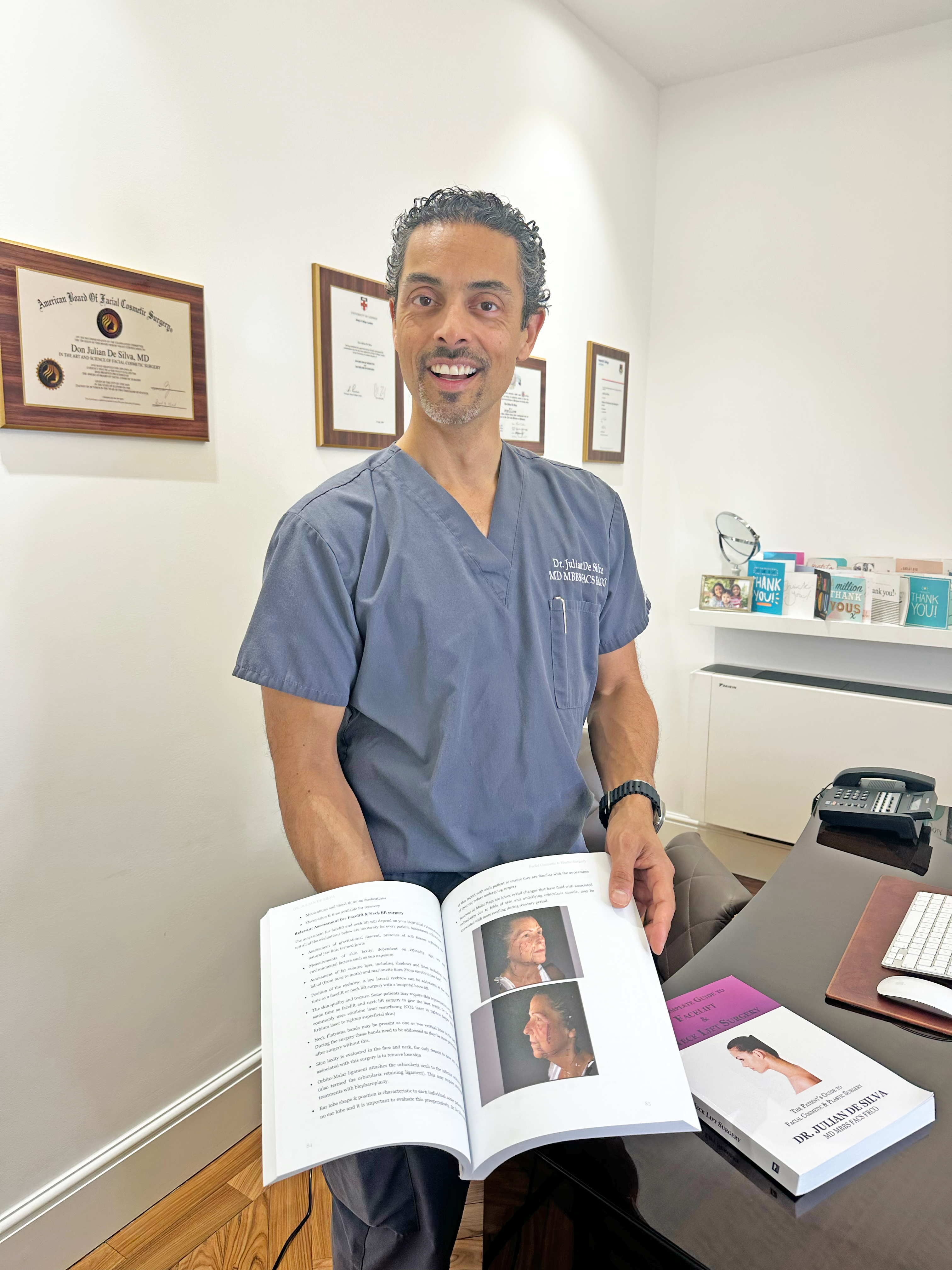
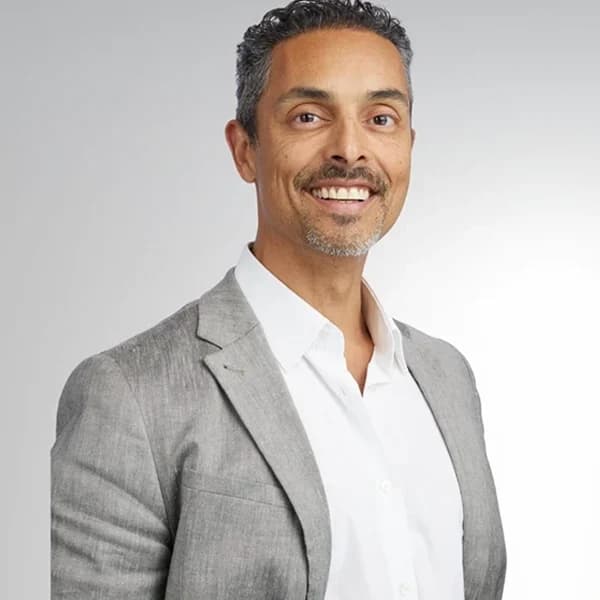
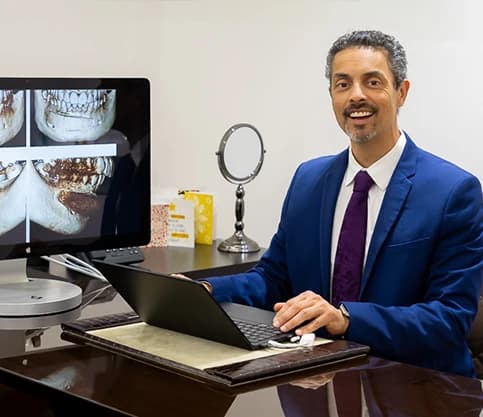
Dr. Julian De Silva is a facial cosmetic and oculofacial surgeon based at 23 Harley Street, London, and Director of the International Facelift Course at the American Society of Ophthalmic Plastic and Reconstructive Surgery (ASOPRS), where he teaches deep plane facelift techniques to surgeons internationally.