



Natural Cheek Implants Surgery in Harley Street, London
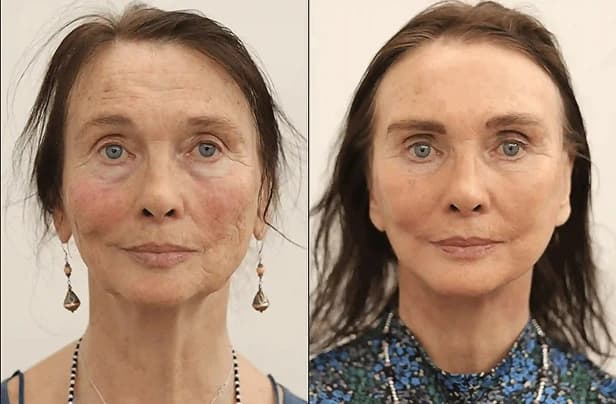
High prominent cheekbones and a well-defined jawline are coveted facial features and characteristics of beauty. Some people are born with these naturally high cheekbones—characteristics often seen in model portraits.
FACELIFT SURGERY IN HARLEY STREET
Cheek Implants
High prominent cheekbones and a well-defined jawline are coveted facial features and characteristics of beauty. Some people are born with these naturally high cheekbones—characteristics often seen in model portraits.
With facial ageing, the cheeks become flatter as a consequence of volume loss in the face and reduced facial fat. There are several ways in which volume to the cheeks can be restored, including both non-surgical and surgical treatments.
Cheek augmentation surgery can improve facial contour and balance out facial features. The use of silicone implants to the cheeks gives an enhanced cheekbone appearance. The surgical insertion of these implants is a common procedure that can be done on their own or in conjunction with other treatments such as a facelift or chin augmentation.
Although non-surgical treatments avoid surgery, the use of temporary fillers to the cheeks that require constant replenishment is not ideal from a long-term perspective.
According to Dr De Silva, there is artistry in determining the suitability of silicone cheek implants over alternatives, such as fat augmentation, for a persons’ face. Both procedures are different options that correct subtle differences in the face.
Silicone cheek implants are good at correcting skeletal deficiency, which can be seen with various facial parameters such as a negative vector (in-turning angle between the eyelid and cheek).
The use of autogenous fat transfer is good at correcting soft tissue volume loss, particularly in patients with facial ageing. This technique involves harvesting fat from around the navel, processing the fat to concentrate the cells, and re-injecting very small amounts into focal areas in the cheek.
Approximately 50% of the fat injected survives over a 5-year period. However, fat absorption does vary between individuals. A cheek implant is usually made of medical-grade silicone, does not absorb and will last forever. There is a small risk of the implant becoming infected, or moving—in which case it is relatively easy to remove.
Why Choose Dr De Silva in Harley Street, London ?
Dr De Silva is a widely credited and celebrated facial plastic surgeon who specialises in the eyes, nose, face and neck areas only, and is known for natural results.
“My focus has and always will be to be the very best at what I do, to continually innovate to provide World Class leadership to all my team, all my patients and all my associates. My mission is to help every patient be the very best version of themself with World-Class services, life-long follow up with complimentary facial aesthetic procedures.”
In a world of increasing complexity and misinformation, his passion has been focused on providing sincere advice, low risk and fast recovery procedures.

Only the Face
By focusing entirely on only facelift & facial cosmetic surgery procedures, Dr De Silva is able to provide the expertise that can only come with specialisation. Dr De Silva has authored multiple books on patient education and care including Dr Julian De Silva's Blepharoplasty patient guide , Dr De Silva's Facelift & Neck Lift book and Rhinoplasty book.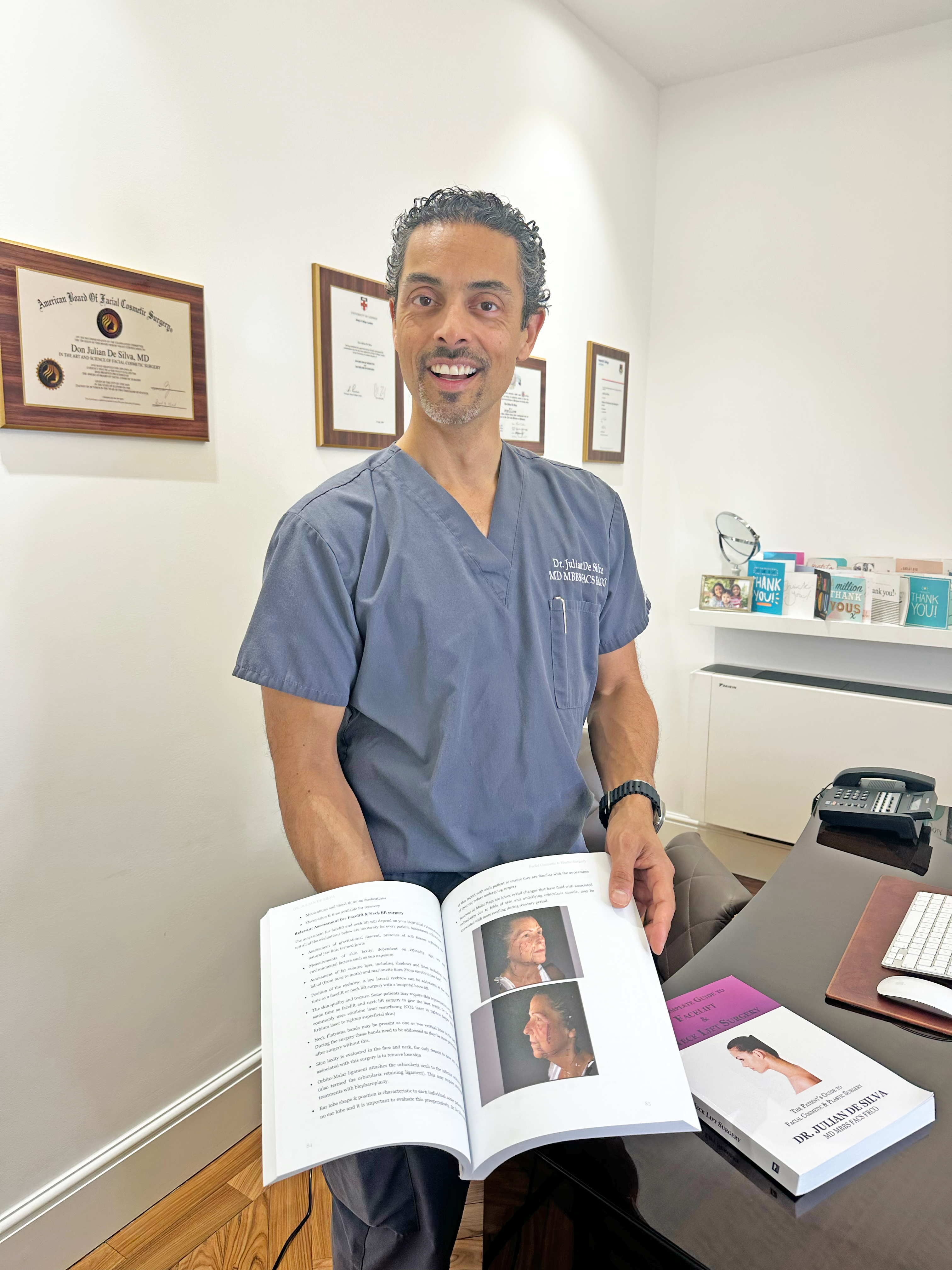
Fast Recovery
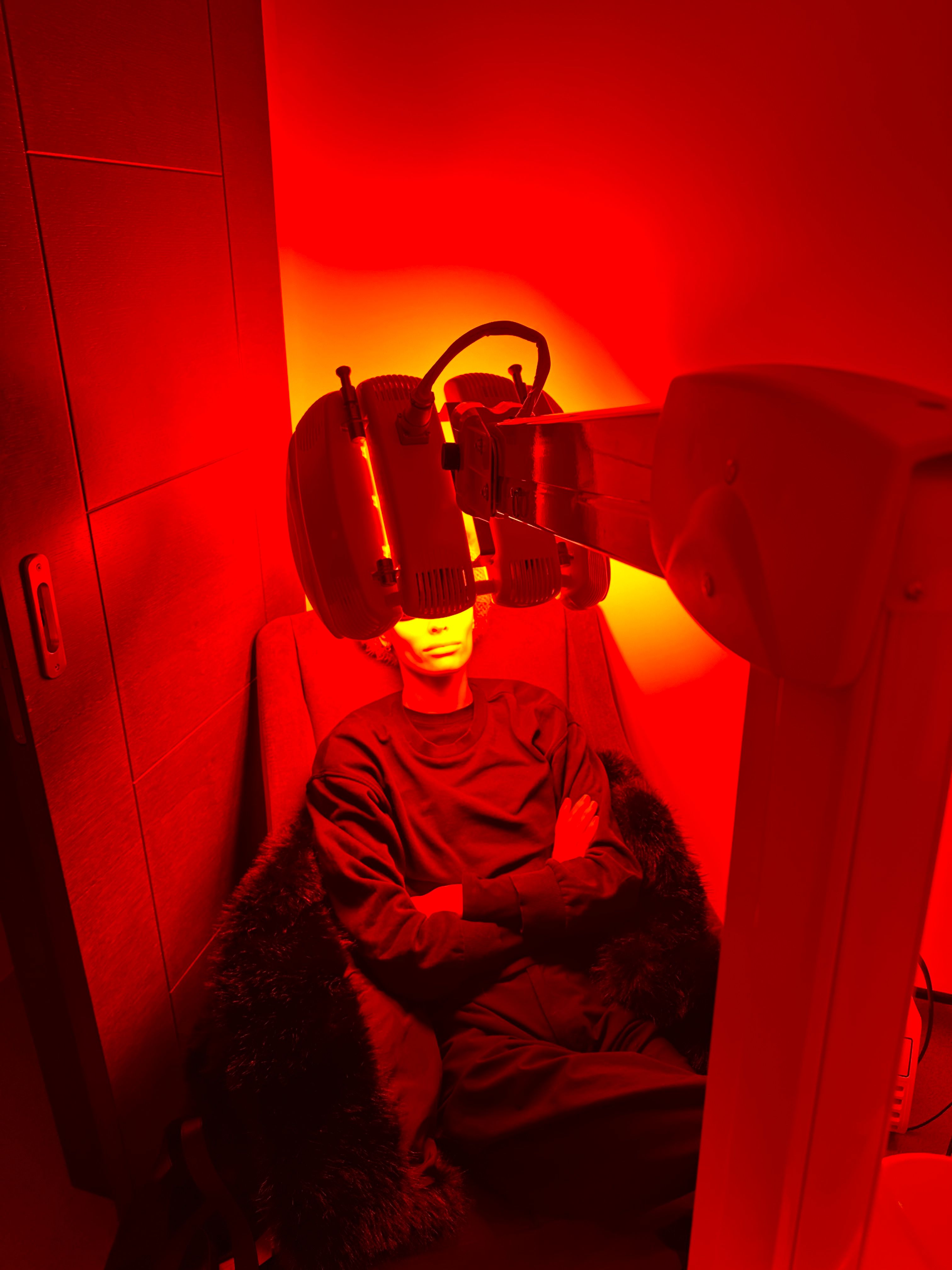
Dr De Silva has pioneered the advances in technology to speed up recovery with a combination regenerative medicine techniques, Oxygen and LED Therapy (e.g. Case Study- Fast recovery after facelift & neck lift surgery).
World Class Expertise
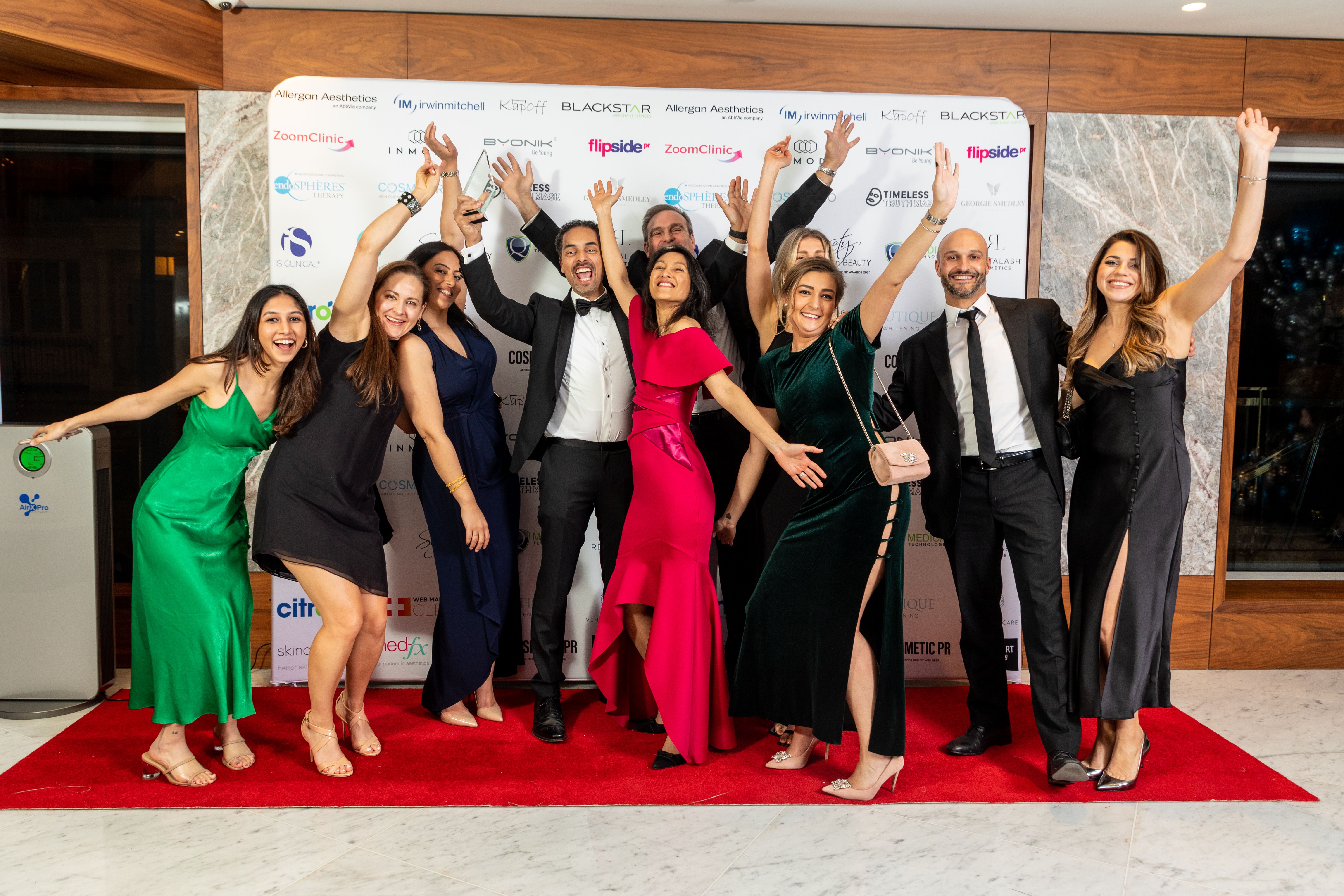
Dr De Silva also teaches other surgeons internationally and has contributed to the development of advanced surgical techniques, laser technology and stitch-less tissue adhesives. Dr De Silva and his team have won numerous awards over the years.
Natural Looking Results
Dr De Silva is a believer in the importance of artistry behind cosmetic results and focuses his skills at delivering natural looking results. Dr De Silva's portrait paintings decorate the walls of 23 Harley Street Clinic.

Chin Implant Technique And Procedure
Chin Implant Technique And Procedure
What are the surgical techniques for the insertion of a cheek implant?
- The surgical technique to insert a cheek implant involves making a small, hidden incision inside the upper lip (intra-oral). A pocket is created for the implant underneath the soft tissues of the cheek (hidden from view). The implant is customised and sculpted as needed, inserted into the cheek pocket, and fixed with stitches.
- There are several different types of implants, chosen based on the persons face and natural requirements. The implants can be inserted onto the cheekbone (Malar Implant), below the cheekbone (Sub-Malar Implant), or a combination of the two (Combined Malar-Sub-Malar Implant).
- There are often asymmetries between the two sides of the face. Dr De Silva utilises specific implant sizers to chose the best size for the right and left cheeks to give a natural augmentation. Dr De Silva may shape the cheek implant to a person’s unique anatomy as every person’s cheekbones are different and require a different 3-D enhancement to give the best result.
- Natural variations in the zygomatic arch, infra-orbital bones and position of the eyelid relative to the cheek mean that optimal proportions differ in all faces. There is a degree of artistry in all individuals’ faces that each surgeon interprets and adds to, much like each chef adds their own individuality to every dish they create.
Are there alternatives to a cheek implant?
An alternative to cheek implants is the use of non-surgical volume enhancement with fillers (e.g. hydroxyapatite, hyaluronic acid fillers). In some patients, these are a good option in the first instance as they are temporary.
Although these can be use effectively to give volume they are both temporary and when used in excess can create a ‘fake’ puffy appearance. Other volume augmentation, including fat, is less predictable and less effective for replacing bone deficiency.
Dr De Silva recommends silicone cheek implants to some patients in preference to other forms of cheek augmentation as they are longer-lasting, safe and effective. A high-grade silicone cheek implant should last a lifetime, as rarely do they move or become infected, and are easily removable.
Cheek Implant Overview
How long is the recovery from cheek implants?
How long is the recovery from cheek implants?
The results of the surgery are immediate, although local swelling can make the cheeks look too large for the first two weeks.
The swelling and local bruising takes about 2-weeks to mostly resolve, and the great majority of patients return to work after one week. Occasionally the swelling can persist for longer such as 6-weeks, and medications are used to speed up the resolution of the swelling.
The movement of the upper lip can be suppressed for the first couple of weeks after surgery, but this spontaneously resolves. Dr De Silva uses a small 1cm hidden incision inside the mouth and dissolvable stitches that naturally fall out in the first few weeks.
Patients are advised to take a soft food diet for the first couple of days, and to avoid strenuous activity 3 weeks after the cheek implants. Most patient have minimal, if any, pain which responds well to oral analgesia.
Will I have bruising after Cheek Implants?
The surgery to insert cheek implants requires placing the implant over your own cheekbone, which enables the implant to be placed in a natural position mimicking the natural bone.
Dr De Silva specialises only in facial surgery and uses minimally invasive techniques to insert the cheek implant, and where necessary a 3D camera to evaluate optimal positioning. As a consequence, most patients have minimal bruising after cheek implant insertion.
Patients who have undergone previous surgery will have scar tissue which poses a greater risk of bruising and swelling owing to a change in the natural anatomy of the cheek.
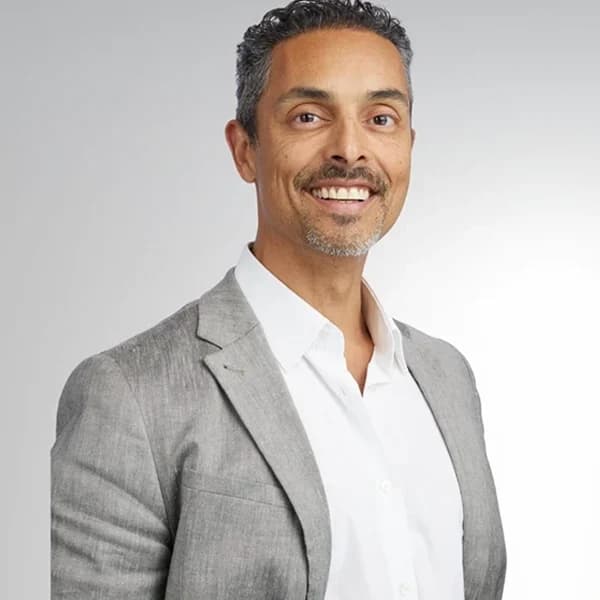
Dr. Julian De Silva is a renowned facial cosmetic surgeon at Harley Street, London, specializing in facelift, blepharoplasty, and rhinoplasty. Known for natural-looking results, he has treated top celebrities and uses advanced technology for fast recovery. Dr. De Silva is also a recognized author and educator in aesthetic surgery.
Frequently Asked Questions
What are cheek implants, and what can they achieve?
What are cheek implants, and what can they achieve?
Cheek implants, also known as malar implants, are surgical implants placed over the cheekbones to restore or enhance the volume and definition of the mid-face. With facial ageing, the fat compartments of the cheeks diminish and the soft tissue descends, resulting in a flattened or hollowed mid-face that can make the face appear tired and gaunt. In younger patients, cheek implants can address a genetic lack of cheekbone prominence that creates an imbalance with the rest of the face. The result of well-placed cheek implants is a more defined, sculpted mid-face with improved facial proportions, restoring the natural curvature of the cheeks and the structural definition associated with youth. Dr De Silva analyses each patient's face as a whole before recommending cheek implants, as in some patients fat transfer is a more appropriate solution and will be recommended honestly when that is the case.
What is the difference between cheek implants and fat transfer to the cheeks?
What is the difference between cheek implants and fat transfer to the cheeks?
Both cheek implants and fat transfer address volume loss or lack of definition in the mid-face, but they do so differently and suit different patients. Cheek implants provide a permanent, structural augmentation of the cheekbone prominence - appropriate when the goal is a more defined skeletal framework and lasting enhancement. Fat transfer uses the patient's own fat, harvested from elsewhere on the body and reintroduced using micro-cannulas, to restore softer, more diffuse volume loss. Fat transfer contains a high concentration of stem cells that have a beneficial effect on skin quality as well as volume. Dr De Silva uses both techniques and selects the approach based on each patient's specific anatomy, degree of volume loss and aesthetic goals. In some cases, combining both produces the most complete result; structural definition from the implant and soft volume restoration from fat transfer.
What technique does Dr De Silva use for cheek implant surgery?
What technique does Dr De Silva use for cheek implant surgery?
Dr De Silva uses silicone cheek implants as his material of choice- silicone is durable, safe, well-tolerated by the body, and can be sculpted to fit each patient's individual cheekbone structure. Unlike some alternative implant materials, silicone cheek implants can be removed if a patient ever wishes to reverse the procedure. Each implant is individually assessed and positioned for the patient's specific anatomy, as the cheekbone structure, facial proportions and degree of augmentation required differ significantly between individuals. The procedure is performed under twilight sedation as an outpatient procedure, and patients go home the same day. As with all facial implant surgery, Dr De Silva secures implants to minimise the risk of movement and uses meticulous closure technique to support clean, well-hidden healing.
Can cheek implants be combined with facelift or other facial procedures?
Can cheek implants be combined with facelift or other facial procedures?
Yes, and cheek implants are frequently most effective when combined with other procedures rather than performed in isolation. In patients undergoing facelift surgery, Dr De Silva assesses the whole face at consultation and in some cases recommends cheek implants or fat transfer to address underlying structural deficiency that lifting alone cannot correct - a flat mid-face that is lifted will simply be a lifted flat mid-face without volume restoration. Cheek implants are also commonly combined with rhinoplasty, where mid-face definition affects the overall balance of the face, and with blepharoplasty, where hollowing beneath the eye blurs the junction between lower lid and cheek. The decision to combine procedures is always based on clinical appropriateness and each patient's specific goals, with the aim of ensuring the face reads as harmonious and naturally proportioned as a whole.
What is the recovery from cheek implant surgery?
What is the recovery from cheek implant surgery?
Cheek implant surgery is performed as an outpatient procedure under twilight sedation, and patients go home the same day. Swelling in the mid-face is expected in the first one to two weeks and resolves progressively. Most patients feel comfortable being seen socially within two to three weeks. Some temporary numbness or altered sensation in the cheek area is normal during healing and typically resolves over several weeks to months. Sun exposure should be avoided for a minimum of six weeks, with SPF sunscreen used consistently to protect the healing skin. Strenuous exercise should be avoided for four weeks. The final settled result is visible at three to six months as all residual swelling fully resolves. As with all implant procedures, a course of antibiotics is given as a preventative measure against infection.
Am I a suitable candidate for cheek implants?
Am I a suitable candidate for cheek implants?
Cheek implants are appropriate when there is a structural deficiency or loss of definition in the mid-face that cannot be adequately addressed by non-surgical treatments or fat transfer alone. This may be genetic - a naturally flat or undefined cheekbone structure, or the result of age-related volume loss and tissue descent. Good general health, non-smoking and realistic expectations are the standard candidacy requirements. The consultation is the right place to determine whether cheek implants, fat transfer or a combination of both is the most appropriate recommendation for your individual anatomy and goals. Dr De Silva analyses the face as a whole using Golden Ratio facial analysis before making any recommendation, ensuring that any augmentation restores natural proportion rather than imposing an aesthetic that does not belong to your face. Virtual consultations are available as a first step for patients travelling from outside London.