




Facelift in London
A Facelift in London by Dr De Silva combines facial-only expertise, minimally invasive techniques and over 20 years’ experience to restore facial harmony with natural, long-lasting results.
Board-certified
UK/EU/USA
>1,000
facelift surgeries performed
What Is a Facelift?
A facelift, medically known as rhytidectomy, is a specialised facial rejuvenation procedure designed to lift and reposition underlying facial structures. It smooths deep folds and restores definition to the face and neck while preserving a natural, refreshed appearance. Subtle adjustments to deeper tissues, rather than surface skin alone, create lasting improvements in facial harmony.
In addition to performing traditional facelifts in London, Dr Julian De Silva is an expert in the Vertical Deep Plane facelift technique. This advanced approach lifts and repositions the deeper facial tissues, delivering a more natural and longer-lasting rejuvenation.

Featured In








Facelift at a Glance

Surgery Time

Hospital Stay

Anaesthetic

Time Off Work

Shower
Return To Routine

Exercise

Sexual Activity

Driving

Recovery
Discover Our Facelift Patient Results
Browse the before and after galleries of our facelift patients
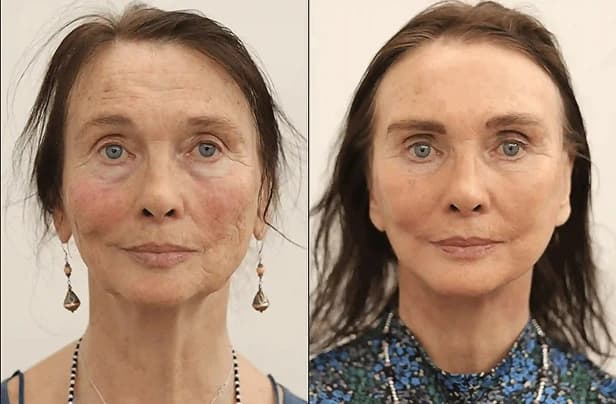
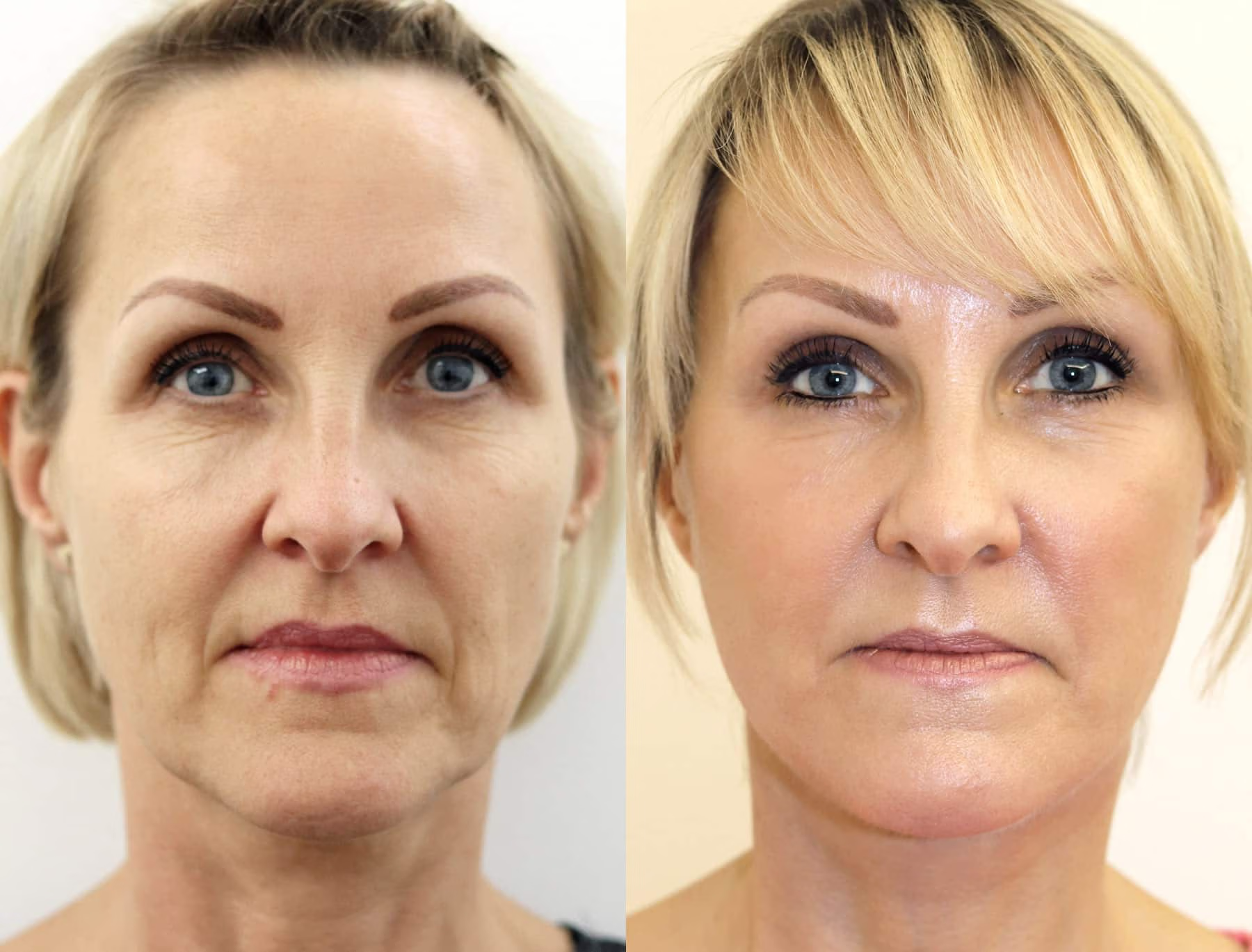
A more youthful natural appearance was restored by Dr Julian De Silva’s using his signature Vertical Deep Plane Facelift Restore.
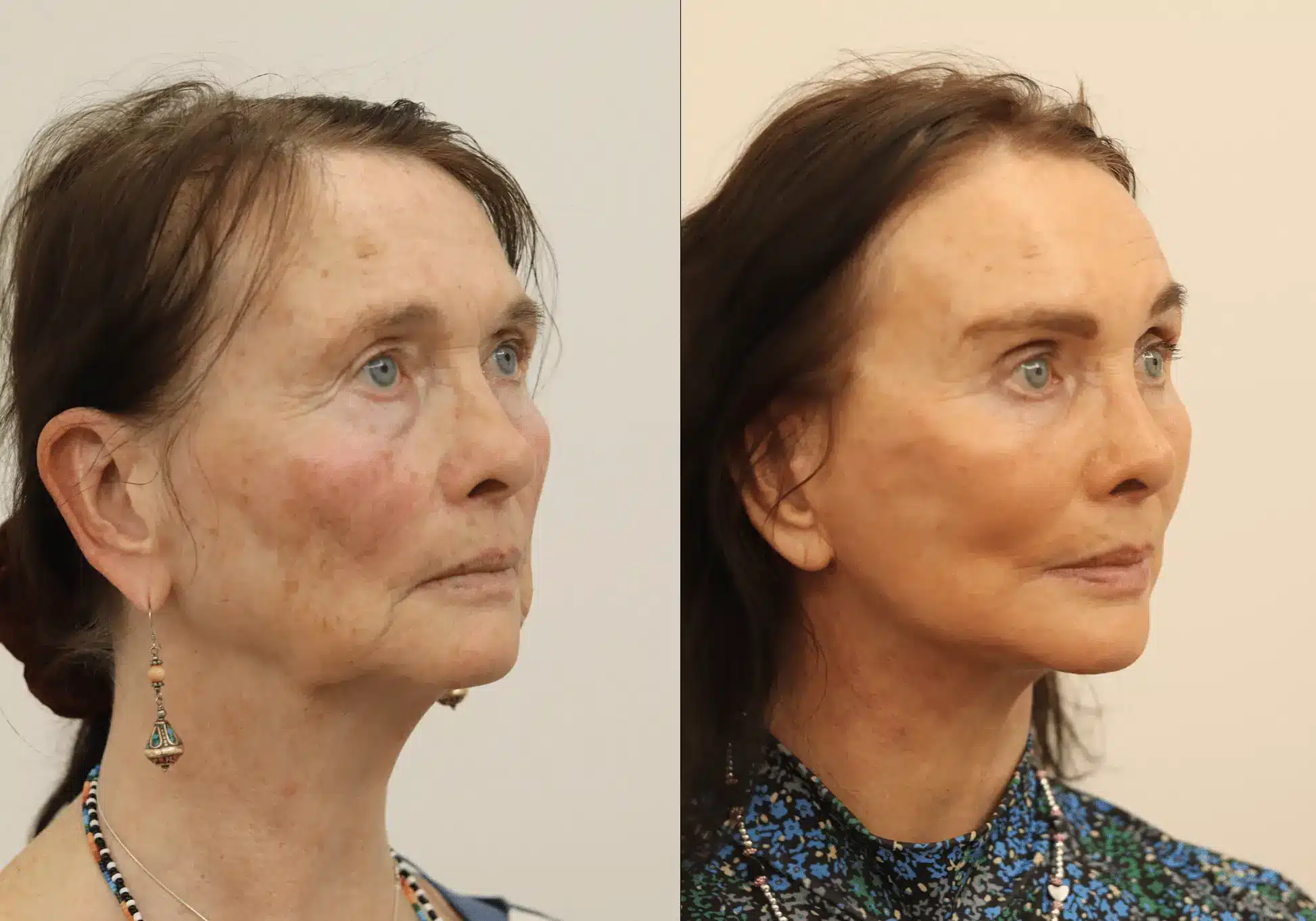
A refreshed, natural transformation. This lovely patient underwent Dr. Julian De Silva’s signature facelift, neck lift, and fat transfer to restore youthful volume, smooth loose skin, and redefine her jawline—achieving a beautifully rejuvenated look without changing her unique features.
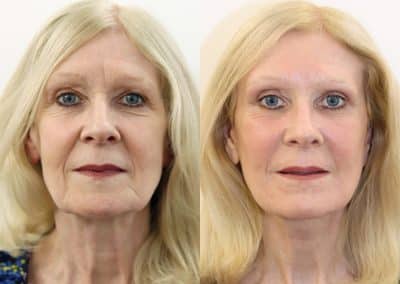
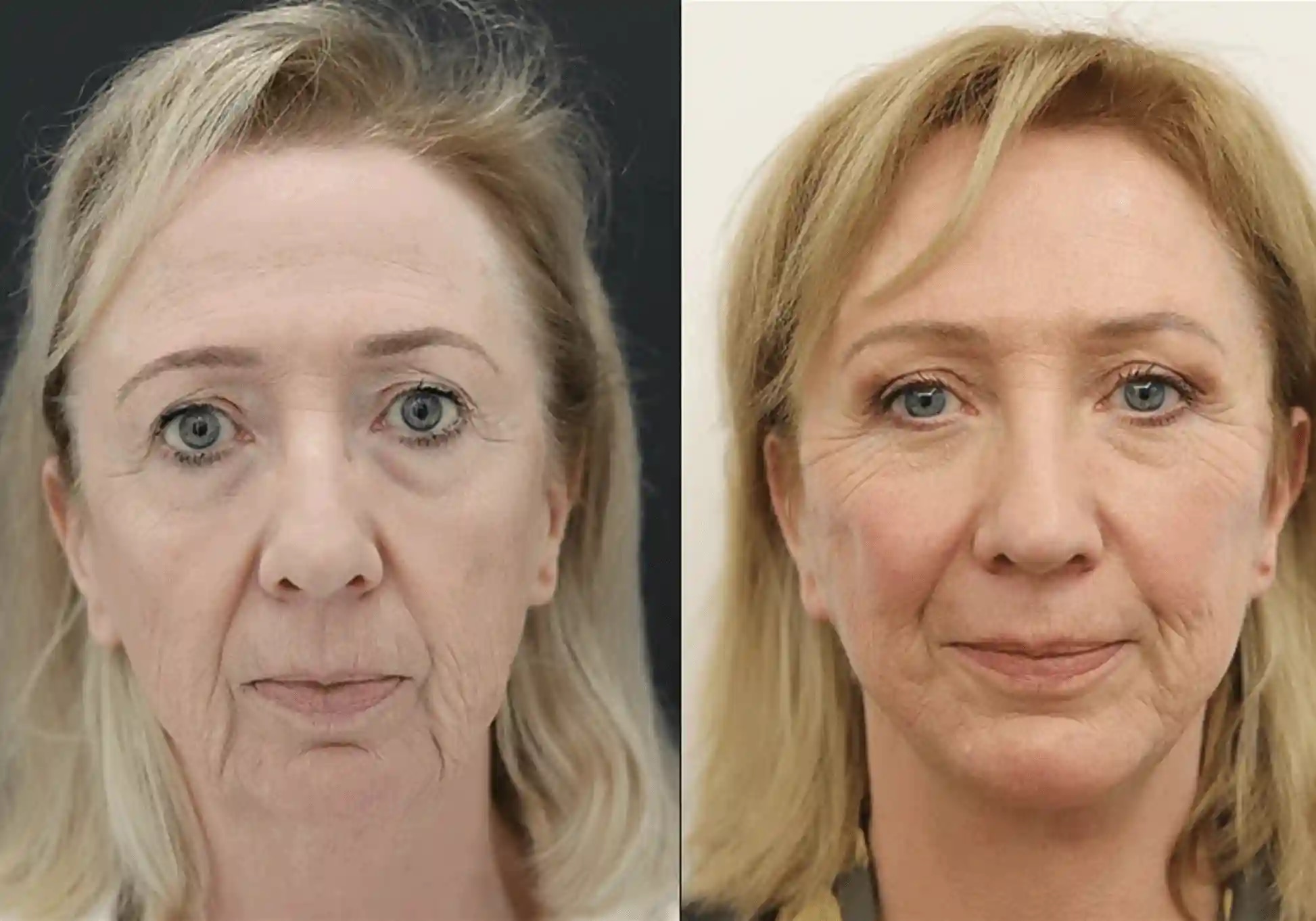
This lovely patient in her 50s wanted a fresher look. Dr. De Silva performed a deep plane facelift and neck lift to restore her jawline, lift her cheeks, and smooth her neck. She looks rejuvenated—and most importantly, natural.
A more youthful natural appearance was restored by Dr Julian De Silva’s using his signature Vertical Deep Plane Facelift Restore.
A refreshed, natural transformation. This lovely patient underwent Dr. Julian De Silva’s signature facelift, neck lift, and fat transfer to restore youthful volume, smooth loose skin, and redefine her jawline—achieving a beautifully rejuvenated look without changing her unique features.
This lovely patient in her 50s wanted a fresher look. Dr. De Silva performed a deep plane facelift and neck lift to restore her jawline, lift her cheeks, and smooth her neck. She looks rejuvenated—and most importantly, natural.
Why Patients Choose Dr De Silva for a Facelift in London
Unlike general plastic surgeons, Dr De Silva practises facial surgery only, allowing for a deeper understanding of facial anatomy, ageing patterns, and structural balance. Over the last 20 years, he has pioneered signature techniques helping to restore youthful contours while avoiding an over-pulled or unnatural appearance. His custom approach combines advanced structural lifting with cutting-edge technologies rarely available in conventional UK practice.
Dr De Silva is internationally recognised for his work in facial aesthetics and is the creator of the Centre for Advanced Facial Cosmetic and Plastic Surgery on Harley Street, London. His board-certified status and expert-level training place him among an elite group of facial plastic surgeons in the United Kingdom. This expertise ensures highly specialised care with natural, refined results designed to age gracefully over time.
"My focus has and always will be to be the very best at what I do, to continually innovate to provide world-class leadership to all my team, all my patients and all my associates. My mission is to help every patient be the very best version of themself with World-Class services, life-long follow-up with complimentary facial aesthetic procedures."
— Dr Julian De Silva
Tissue Glue For Reduced Bruising and Swelling
Advanced Recovery Methods
Long-Lasting, Enhanced Results
Harley Street Expert Care
All facelift procedures are performed discreetly and safely in Dr De Silva’s CQC-accredited Harley Street clinic, eliminating the need for general anaesthetic or inpatient hospital care, while maintaining the highest standards of safety and discretion.
Twilight Sedation for Comfort and Safety
facelift surgeries performed
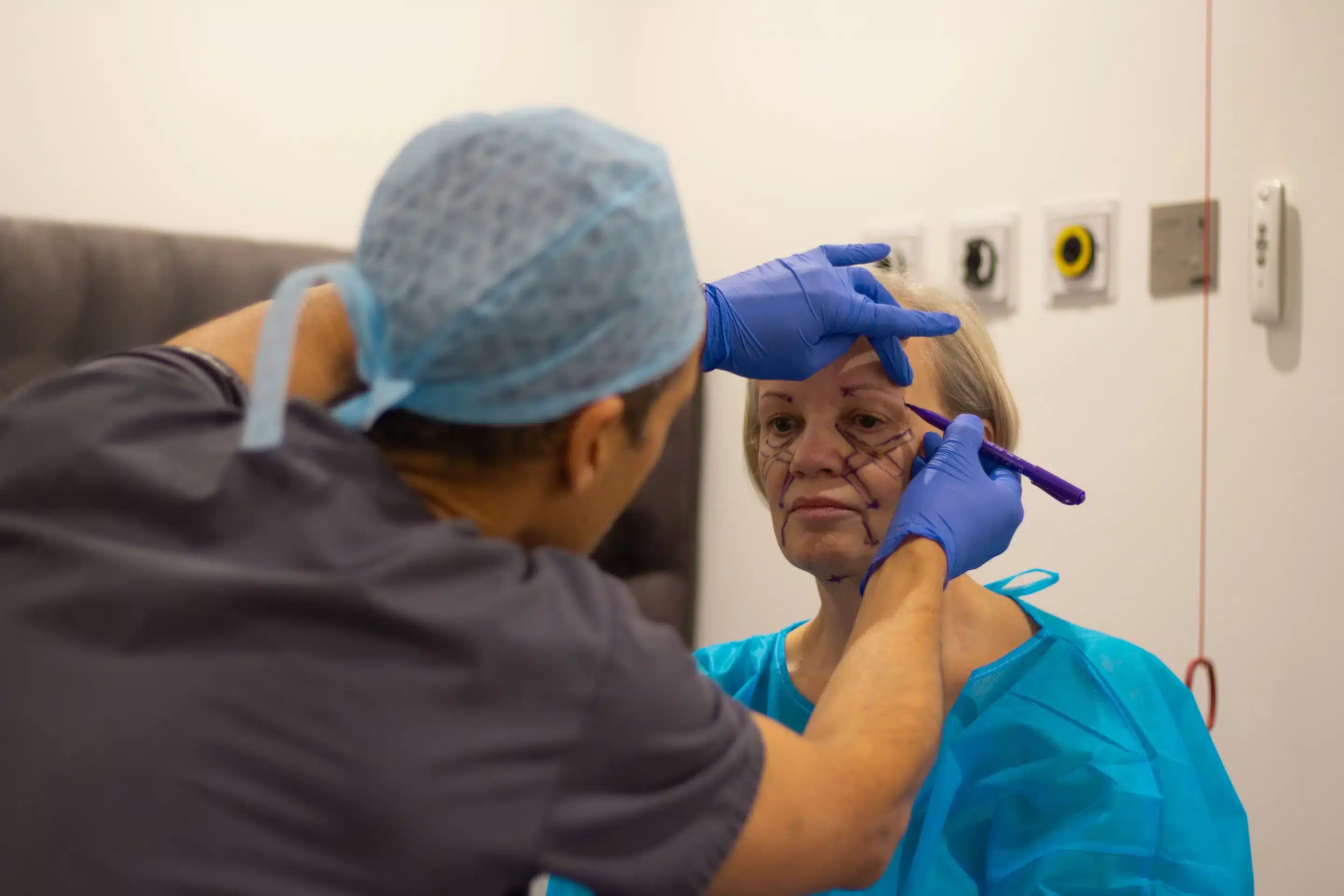
Twilight Sedation: A Gentler, Safer Alternative to Facial Surgery
Dr. De Silva performs facial surgery using twilight sedation, a controlled and comfortable technique that avoids the risks and grogginess of general anesthesia. Patients remain deeply relaxed, maintain natural breathing, and experience faster, smoother recovery.
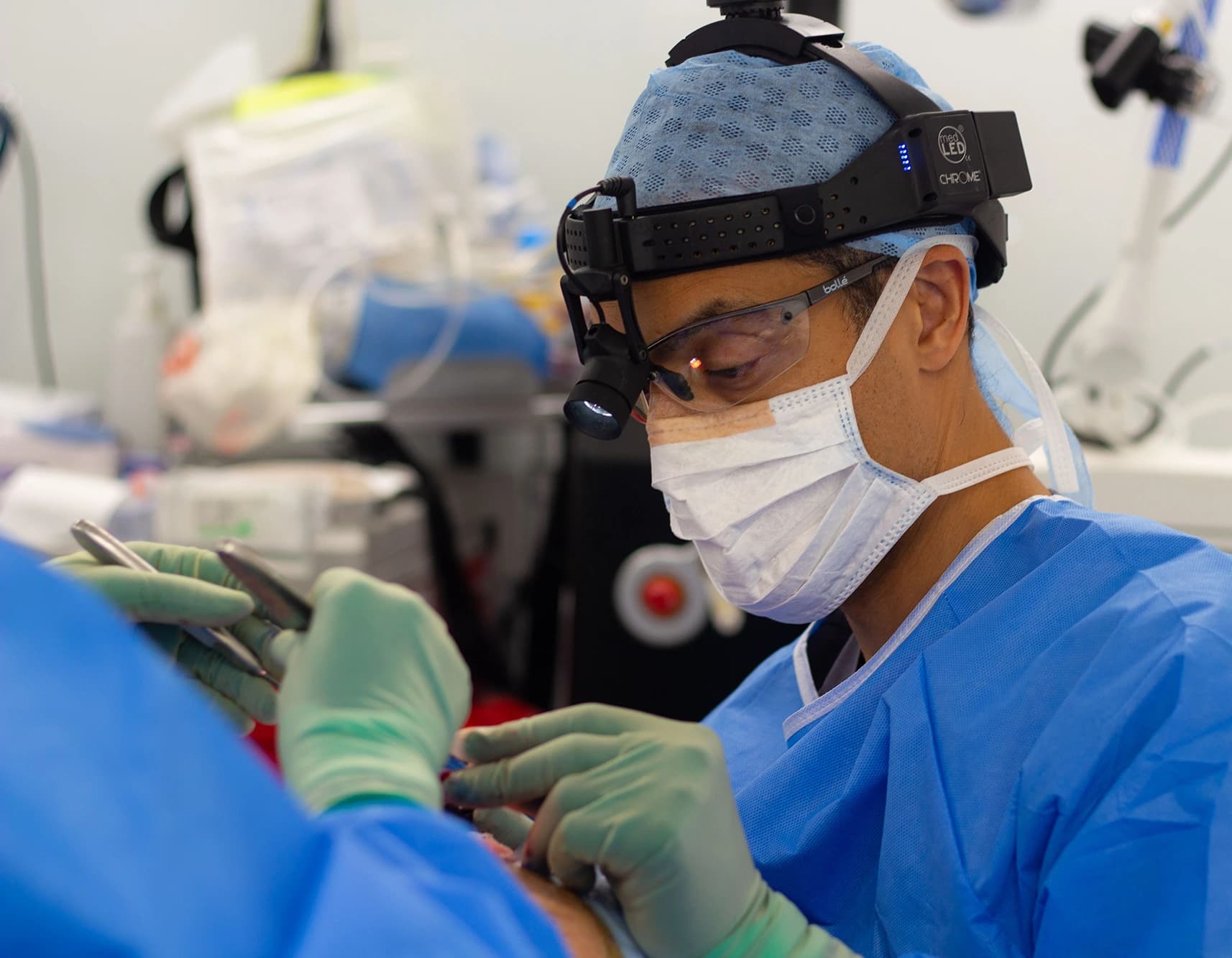
Facelift Surgery With Dr Julian De Silva
Facial anatomy demands precision and a safety-led approach. Dr De Silva’s method combines advanced facelift surgery with selective structural enhancement, including US-sourced medical-grade implants when required, to refine the jawline, chin, or midface with natural, long-lasting balance.
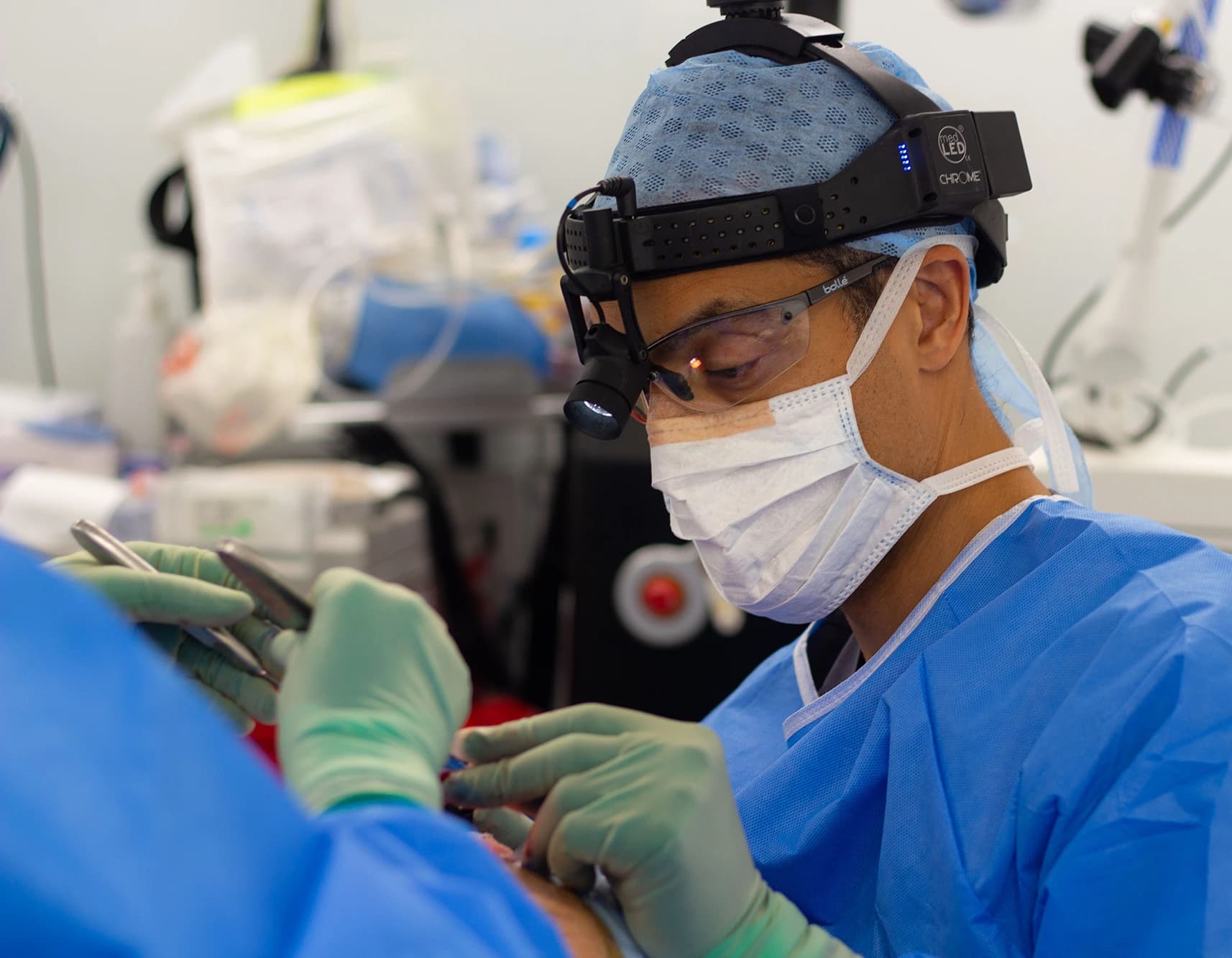
The Surgical Experience, Explained
All facelift surgery exclusively takes place at Dr De Silva’s private Harley Street clinic, under twilight sedation so that patients can return to the comfort of their homes the same day. The procedure length typically lasts 1-3 hours, depending on the complexity of the case.
Initial Consultation
Day of Surgery
Follow-up Appointment
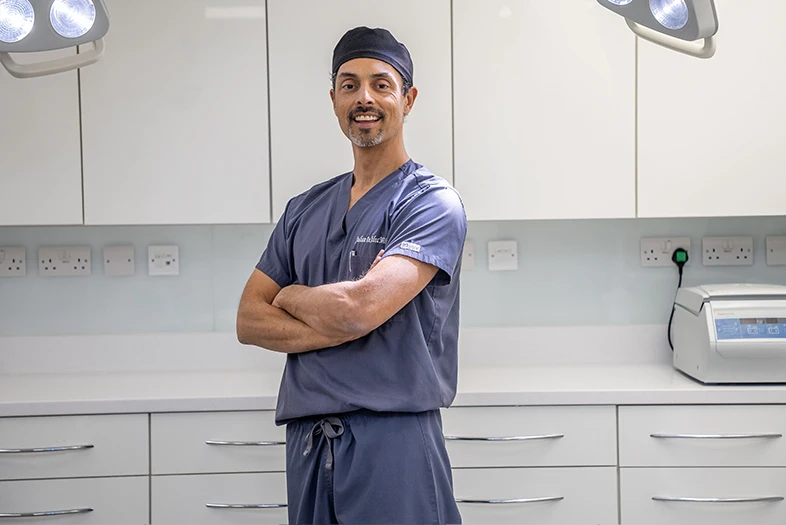
Types of Facelift Surgery Offered by Dr De Silva
While non-surgical treatments offer temporary improvements, a facelift provides a more durable solution to ageing signs, with results that can last for many years. There are a number of different types of facelifts available.
Primary Facelift
Signature Vertical Deep Plane
The deep plane facelift is the most advanced technique, providing natural results by repositioning the facial layers to restore volume and address sagging. While this is one of Dr De Silva’s surgical specialities, this type of facelift is performed by less than 5% of facial plastic surgeons due to its complexity and the requirements for deep anatomical expertise.
SMAS Facelift
Revision Facelift
A Skin-Only Facelift
S-Lift, MACS Lift
One Stitch Facelift
Ponytail Facelift
The ponytail facelift is a minimally invasive technique designed for patients in their 30s and 40s who are showing early signs of ageing. Small incisions are hidden entirely within the hairline to lift and reposition tissue in the mid-face and temples, making it ideal for those with mild cheek sagging, temple hollowing, and good skin elasticity. Because it is less invasive than a traditional facelift, patients benefit from a notably faster recovery, typically returning to work within 5–7 days, while still achieving natural, refreshed results.
Mini Facelift
The mini facelift is similar to the S-lift in that smaller incisions are used. In this case, only the SMAS muscle is altered, for a lift that provides a refreshed look but less dramatic results than more traditional or invasive surgery. This procedure is suitable for those with early facial ageing.
Endoscopic Facelift
Male Facelift
Male facelift restores a strong jawline, tightens sagging skin, and preserves masculine features, using tailored techniques that avoid feminisation while ensuring discreet scars and natural results.
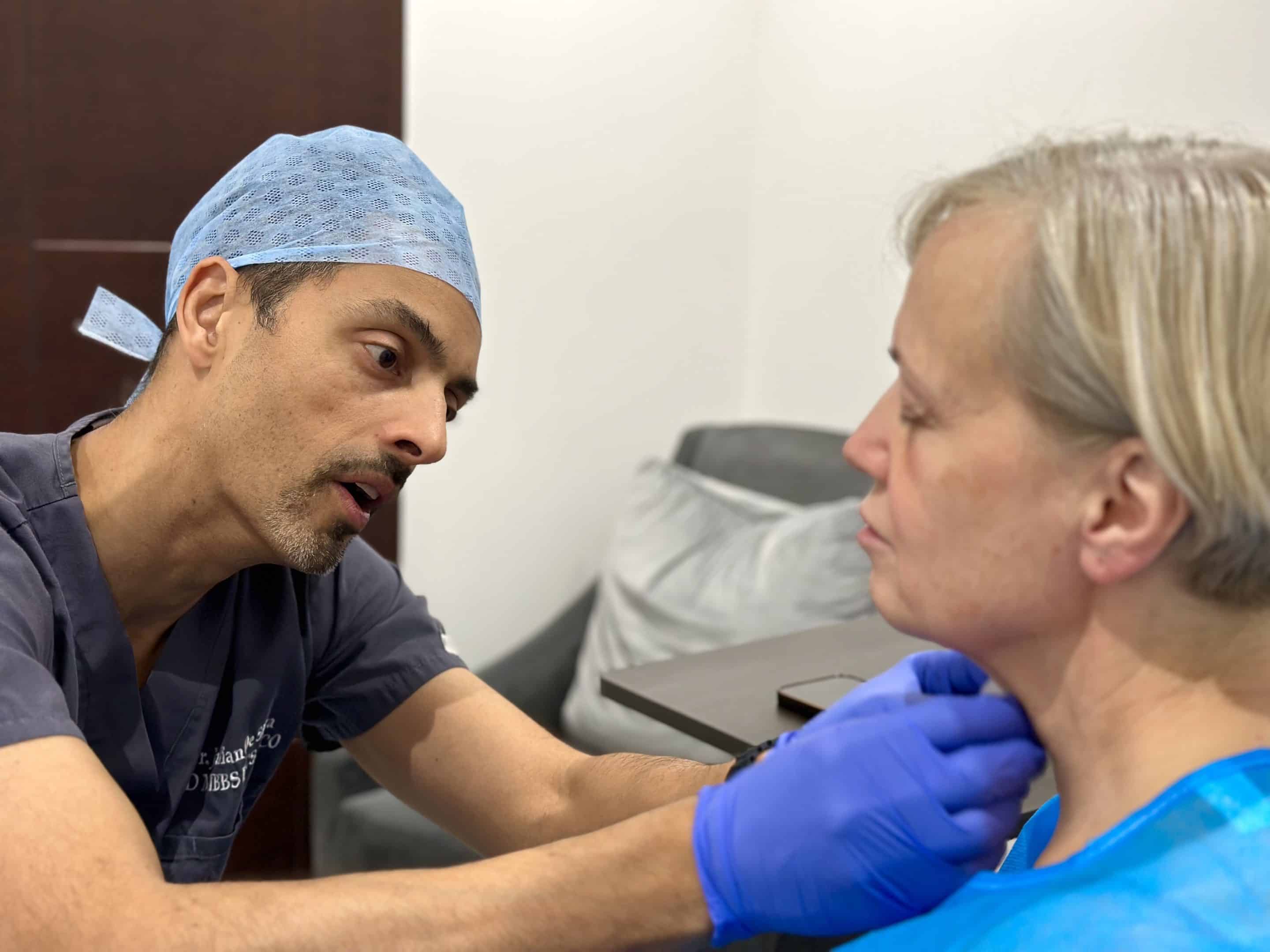
Am I a Good Candidate for Facelift Surgery?
A facelift may be right for you if you are experiencing visible signs of facial ageing such as sagging skin, deepening lines around the nose and mouth, or loss of definition along the jawline and neck. Ideal candidates are in good overall health, non-smokers, and looking for natural, long-lasting rejuvenation.
Dr De Silva will assess your facial structure, skin quality, and goals to determine the most appropriate approach for you.
Take our short online assessment (under 5 minutes) to receive personalised guidance, or book a consultation to discuss your options in detail.
What to Expect From Facelift Recovery
You may experience bruising, which resolves over one to two weeks, and swelling, of which 80% will diminish within two weeks and continue to disappear. While you will have very little pain, you may experience numbness around the ears and chin, which can take six to 12 months to disappear completely.
It is important to rest and allow your body the time it needs to recover without putting it under extra pressure. You may be provided with a wrap for your face and head that helps with swelling and gently icing the area for ten minutes at a time encourages swelling to dissipate. Sleeping in a reclined or sitting-up position is recommended for five to seven days after surgery. It is also recommended not to do any heavy lifting or strenuous activities for at least two to three weeks after surgery.
A Typical Facelift Recovery Timeline
Every recovery is individual, but with Dr De Silva’s advanced surgical techniques and structured aftercare, healing is designed to be smooth, comfortable, and discreet. For a more detailed overview, see our Facelift Recovery Guide.
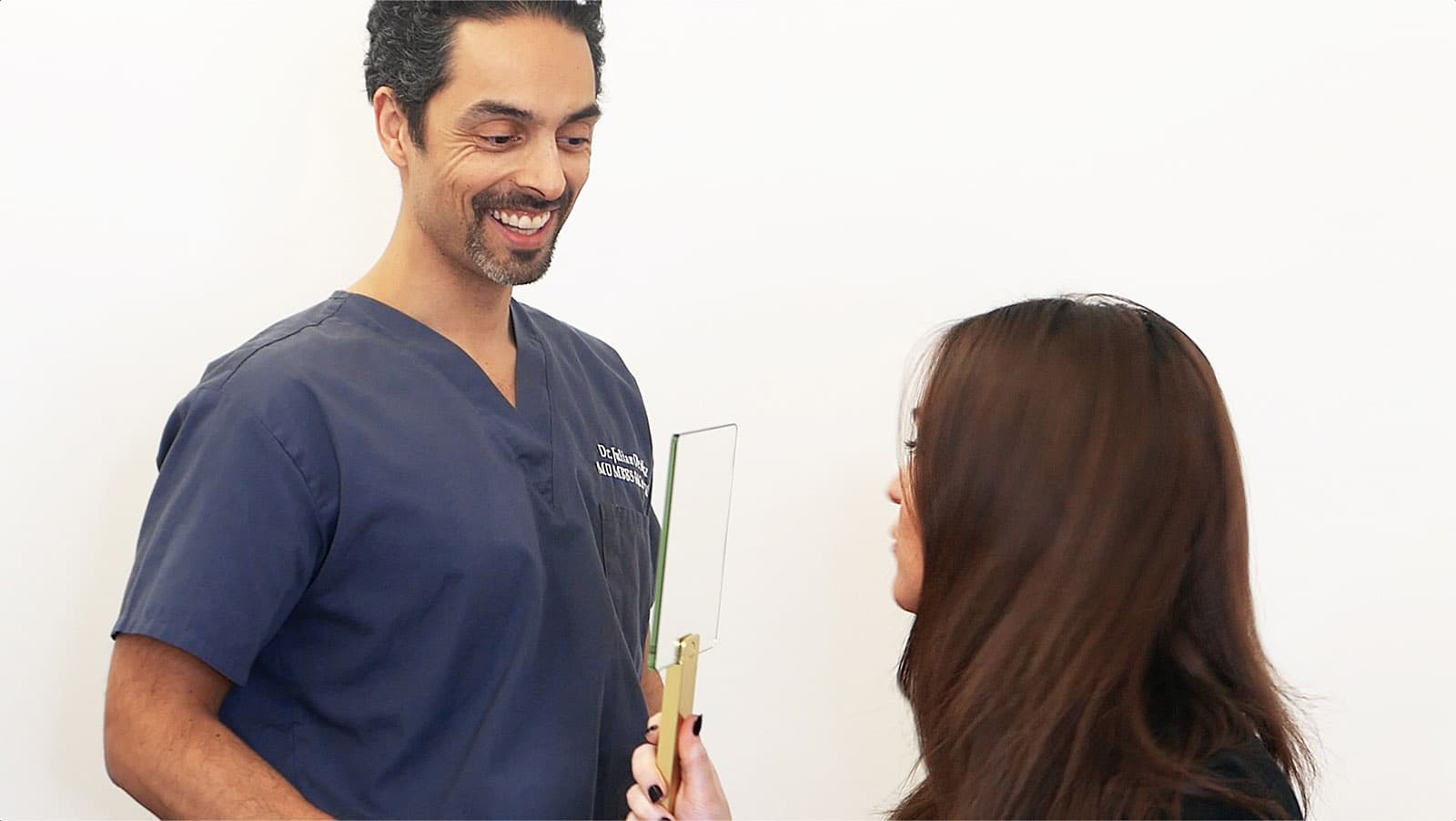
Even the Best Facelifts Come With Risks
While facelift surgery is generally safe, it’s essential to be aware of potential risks and complications. However, with the extensive experience and advanced knowledge of Dr De Silva, these risks are significantly minimised, ensuring that you’re in expert hands for a safe and successful outcome. Some potential risks include:
- Bleeding
- Infection
- Poor wound healing
- Scarring
- Facial nerve injury
- Fluid accumulation
It is essential to discuss these risks thoroughly with Dr De Silva during your consultation to make an informed decision about your facelift surgery.
Thinking of Pairing a Facelift With Other Surgery?
Sometimes, Dr De Silva may combine additional surgical procedures with a facelift to enhance results and take a comprehensive approach to facial ageing.

Upper Third of the Face
- Blepharoplasty
- Brow & Forehead Lift
- Anti-wrinkle treatments for fine lines
- Laser Resurfacing

Mid Face
- Volume augmentation of the cheeks
- Fat-transfer to the mid-face & cheeks
- Skin resurfacing for lines & deep wrinkles
- Anti-wrinkle injections for fine lines

Lower Face
Book a Consultation at Our Harley Street Practice
If you’re considering facelift surgery, we invite you to schedule a consultation with Dr Julian De Silva. Discover how his expertise can help you achieve the youthful, natural-looking results you desire.
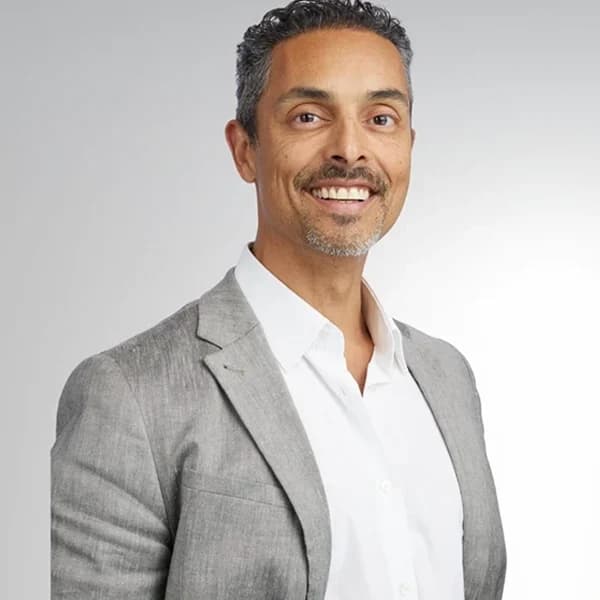
Dr. Julian De Silva is a renowned facial cosmetic surgeon at Harley Street, London, specializing in facelift, blepharoplasty, and rhinoplasty. Known for natural-looking results, he has treated top celebrities and uses advanced technology for fast recovery. Dr. De Silva is also a recognized author and educator in aesthetic surgery.
Facelift FAQs
What is the cost of a facelift in London?
What is the cost of a facelift in London?
Facelift surgery is a bespoke procedure and the cost reflects the complexity of the technique, the experience of the surgeon, the standard of the facility and whether complementary procedures are performed at the same time. As a specialist facial plastic surgeon operating exclusively on the face from his Harley Street practice, Dr De Silva's fees reflect his level of expertise, the personalised care provided throughout the patient journey, and the standard of the facility. Lower-cost surgery may involve compromises in technique, facility or aftercare that affect both the result and patient safety. An accurate cost can only be given following a consultation, at which point a specific surgical plan will have been formed. If you proceed with surgery, the consultation fee is deducted from the surgical fee.
What is the best age to have a facelift?
What is the best age to have a facelift?
There is no single best age for a facelift; the right time is determined by anatomy and goals, not a number. Most patients present between their mid-forties and mid-seventies, but Dr De Silva sees patients across a considerably wider range. Some patients in their late thirties have significant genetic laxity that makes earlier intervention appropriate; others in their early eighties are in excellent health and achieve outstanding results.
The question is never how old you are but what specifically has changed, what you are hoping to restore, and whether surgery is the right recommendation at this point. Waiting too long does not make surgery easier - in some cases it makes it harder, as the degree of change becomes more complex to address. Non-surgical alternatives are always discussed honestly when they are a genuine option.
Should I consider having a facelift abroad, and what are the risks of medical tourism?
Should I consider having a facelift abroad, and what are the risks of medical tourism?
The decision to have surgery abroad is one that requires careful consideration. Some international centres offer high standards of care, and Dr De Silva's patients travel to him from over seventy countries - a reflection of what specialist expertise and a trusted outcome can mean to patients willing to travel. However, lower-cost surgery packages in some destinations involve compromises in regulation, clinical standards and aftercare that carry genuine risk. Dr De Silva sees a significant number of patients who have experienced complications or unsatisfactory results following surgery abroad and are seeking correction. The quality of the surgeon, the facility and the follow-up care are the most important factors in any facelift outcome, wherever in the world that surgery takes place. If you are considering surgery abroad, Dr De Silva offers virtual consultations and is experienced in planning care for international patients.
What is a facelift, and what does it actually do?
What is a facelift, and what does it actually do?
A facelift; medically termed a rhytidectomy, is a surgical procedure that addresses the structural changes of facial ageing in the lower two-thirds of the face. As the face ages, the underlying tissue descends, ligaments loosen, jowls develop along the jawline, and the neck loses its natural angle and definition. A facelift corrects these changes by lifting and repositioning the tissue beneath the skin rather than simply tightening the surface. The result is a restoration of the face's natural contour- a smoother jawline, a defined neck angle, and a rested, refreshed appearance that looks like you, not like someone who has had surgery. Dr De Silva performs his signature Vertical Face Restore 7 (VFR7), a customised deep plane technique that lifts the face vertically to where the tissue sat in youth, producing natural results that last.
What are the different types of facelift, and how do I know which one I need?
What are the different types of facelift, and how do I know which one I need?
Facelift procedures fall into three broad categories based on the degree of change they address. Minimally invasive and non-surgical options - including fillers, radiofrequency and thread lifts which suit patients with very early signs of ageing, though their effects are temporary and limited in scope. Mini facelifts are appropriate for patients with early jowling and mild skin laxity, typically in their thirties and forties, and involve smaller incisions with faster recovery. Full facelift and neck lift procedures are appropriate for patients with more significant changes - pronounced jowling, substantial neck laxity, and descent of the mid-face that smaller procedures cannot meaningfully address. Dr De Silva tailors his approach entirely to each patient's anatomy and goals. No two faces are identical, and no single technique is right for every patient. The consultation is where that determination is made accurately.
What is the difference between a mini facelift and a full facelift?
What is the difference between a mini facelift and a full facelift?
A mini facelift addresses early signs of ageing in the lower face- mild jowling, softening of the jawline and some skin laxity, through a smaller incision and a shorter recovery. It is appropriate for patients with good skin elasticity and relatively mild changes, typically in their thirties and forties. A full facelift works across a wider area and at a deeper structural level, addressing more significant jowling, neck laxity, vertical neck bands and descended mid-face tissue that a mini facelift cannot reach. Recovery from a full facelift is longer, but the results are more comprehensive and last considerably longer. The key question at consultation is not which procedure a patient wants, but what they are actually trying to achieve - the answer to that determines the right technique.
What will a facelift not improve, and are there complementary treatments I should consider?
What will a facelift not improve, and are there complementary treatments I should consider?
A facelift addresses the structural descent of the face- jowling, neck laxity and the loss of jawline definition. It does not address volume loss, which causes a deflated or hollowed appearance and requires fat transfer or filler to restore. It does not improve skin quality, fine lines, dark spots or texture; these benefit from CO₂ laser resurfacing or skin rejuvenation treatments. It does not treat changes around the eyes or the brow, which may require blepharoplasty or a brow lift to complement the facelift result. Dr De Silva assesses the whole face at every consultation, ensuring that one area does not look refreshed while another tells a different story. For many patients, the most natural result comes from combining a facelift with one or more of these complementary techniques in a single procedure.
How long does a facelift last?
How long does a facelift last?
A well-performed facelift typically lasts ten years or more, though individual factors, including genetics, sun exposure, lifestyle and the technique used, all influence longevity. A deep plane facelift that works at the structural level of the face lasts significantly longer than a skin-only procedure, because the result is held by repositioned tissue rather than skin tension. Dr De Silva sees all his facelift patients annually and supports the longevity of results with a three-way maintenance approach where appropriate: volume replacement using fillers, skin rejuvenation through laser and regenerative medicine, and skin tightening with radiofrequency. Many patients return for second and third procedures over the course of their lives- not because the first result failed, but because ageing continues and they wish to maintain what surgery achieved.
How long does facelift surgery take?
How long does facelift surgery take?
The duration depends on the technique and whether complementary procedures are performed at the same time. A mini facelift takes approximately two to three hours. A full deep plane facelift takes four to five hours, and Dr De Silva's Vertical Face Restore 7 technique, which involves meticulous multi-layered closure, takes four and a half to six hours; closing just one side of the face takes forty-five minutes of careful technique. When combined with neck lift, brow lift or eyelid surgery, the total procedure can take up to eight hours or more. All procedures are performed as outpatient surgery under twilight sedation, meaning patients go home the same day. Dr De Silva allows unhurried time for every case - the precision of technique is what produces a natural, lasting result.
- Mini Facelift: Approximately 2 to 3 hours.
- SMAS Facelift: Approximately 2 to 3 hours.
- Deep Plane Facelift: Approximately 4 to 5 hours.
- Vertical Deep Plane Facelift: Approximately 4.5 to 6 hours.
- Extended Procedures: If combined with other surgeries such as neck lift, brow lift, or eyelid surgery, it can take up to 8 hours or more.
How does Dr De Silva's approach to facelift differ from a standard procedure?
How does Dr De Silva's approach to facelift differ from a standard procedure?
Dr De Silva's Vertical Face Restore 7 differs from a standard facelift in three fundamental ways: lift direction, tissue handling and recovery technology. The lift is vertical rather than lateral -repositioning tissue upward to where it sat in youth rather than pulling it sideways, which is what creates the swept or wind-tunnel appearance. The ligament-like structures of the face are released precisely, allowing the deep tissue to be lifted as a single unit without placing tension on the skin. Recovery is accelerated through twilight sedation rather than general anaesthesia, combined with bio-technology including PRP, amniotic membrane product, micro-drains, light therapy, oxygen therapy and manual lymphatic drainage. The result is a procedure that produces natural, lasting results with significantly reduced downtime and an experience that patients consistently describe as considerably less daunting than they expected.
How do you avoid a pulled or unnatural result from a facelift?
How do you avoid a pulled or unnatural result from a facelift?
An unnatural facelift result almost always comes from the same source; tension on the skin. When a surgeon tightens the skin rather than repositioning the tissue beneath it, the face is pulled sideways rather than lifted vertically, creating the swept or tight appearance that identifies surgery. Dr De Silva's approach eliminates skin tension entirely by working at the deeper structural level of the face, releasing the ligaments and lifting the tissue as a unit. Because the skin is redraped without tension, it heals cleanly and moves naturally. Meticulous incision placement, hidden within the natural curves of the ear and hairline, and careful multi-layered closure further ensure that scars are imperceptible and the result reads as genuinely younger rather than surgically altered. Golden Ratio facial analysis is used to plan every procedure, ensuring the outcome is specific to each patient's face.
Does Dr De Silva use surgical drains, and what does this mean for recovery?
Does Dr De Silva use surgical drains, and what does this mean for recovery?
Dr De Silva does not use surgical drains. Many surgeons insert fine drainage tubes into the tissue at the end of facelift surgery to remove fluid in the days following the procedure, which can cause discomfort and require a return visit for removal.
Dr De Silva instead uses meticulous fine stitching techniques and fibrin tissue glue to eliminate the need for drains entirely, reducing the risk of haematoma and minimising patient discomfort during recovery. Additional measures including bio-technology, sedation anaesthesia, which maintains stable blood pressure and reduces bleeding from the outset and post-surgical medications further reduce the risk of complications. The reported haematoma risk with conventional techniques is two to three percent in the surgical literature; Dr De Silva's approach reduces this to below one percent.
What anaesthetic does Dr De Silva use for facelift surgery, and why does it matter?
What anaesthetic does Dr De Silva use for facelift surgery, and why does it matter?
Dr De Silva performs all facelift surgery under his patented Rapid Recovery Twilight Sedation- a specialist sedation technique developed and refined over more than a decade, with a granted UK patent (GB2602123B). Unlike general anaesthesia, twilight sedation allows patients to breathe independently throughout surgery, maintaining stable blood pressure and significantly reducing bruising and swelling from the outset. Patients wake quickly and clearly, typically able to walk out of the operating theatre within thirty minutes of surgery completing- without the grogginess, nausea or sore throat associated with general anaesthesia. Fewer than one percent of patients experience nausea. More than half require no pain relief beyond the first twenty-four hours. In clinical audit, patients have rated their sedation experience an average of 9.4 out of 10.
What is the recovery from a facelift like, and what should I expect week by week?
What is the recovery from a facelift like, and what should I expect week by week?
Recovery after a facelift is consistently less demanding than patients anticipate. In the first week, rest is essential; anything that raises the heart rate increases bruising and swelling, so activity should be kept to a minimum. Cold compresses for ten minutes of every hour during the first three days significantly reduce swelling. The head should be kept elevated at 45 degrees when sleeping. A soft diet is advisable for the first week to avoid straining the jaw muscles. By two to three weeks, eighty to ninety percent of bruising and swelling will have resolved and most patients feel comfortable returning to social activities and the workplace. Exercise can resume at four weeks. Sun exposure must be avoided for six weeks - SPF sunscreen, a wide-brimmed hat and UV-protective sunglasses are essential whenever outdoors. Final results are fully established at twelve to eighteen months.
How painful is a facelift, and how is discomfort managed?
How painful is a facelift, and how is discomfort managed?
Discomfort after a facelift is consistently milder than patients expect. Most describe a sense of tightness and pressure in the first few days rather than pain and severe pain is uncommon. More than half of Dr De Silva's patients require no pain relief beyond the first twenty-four to forty-eight hours, and those who do typically manage with paracetamol alone. NSAIDs such as ibuprofen should be avoided, as they increase the risk of bruising and bleeding. The twilight sedation technique Dr De Silva uses maintains stable physiology during surgery, which directly reduces post-operative discomfort compared with general anaesthesia.
Dr De Silva gives his patients detailed support during the recovery period to ensure a fast and smooth recovery. Reassurance and a supportive team are available 24/7 to provide help and support as needed. In addition, Dr De Silva utilises modern innovations to enhance recovery, including oxygen therapy, lymphatic drainage,e and regenerative medicine.
How long after a facelift can I exercise, fly and return to normal activities?
How long after a facelift can I exercise, fly and return to normal activities?
Most patients can return to light activities and non-strenuous work within two weeks. Normal exercise resumes at four weeks -returning too early risks increasing swelling and prolonging recovery. Strenuous exercise and contact sports should be avoided for up to two months. Hair dyeing should be avoided for five weeks. Flying is generally advisable to delay for at least two weeks, and longer for long-haul travel; this will be discussed at your post-operative appointment based on your individual recovery. Driving can resume once you are comfortable, off prescription pain relief and able to react normally - typically within five to seven days for most patients. Dr De Silva provides each patient with specific post-operative instructions tailored to their procedure and circumstances.
When will I see the final result of my facelift?
When will I see the final result of my facelift?
Significant improvement is visible within six weeks of a facelift, once the majority of bruising and swelling has resolved. However, the face continues to settle and refine for twelve to eighteen months; this is when the truly final result is established, as residual swelling fully resolves, sensation returns to normal and the tissue settles into its new position. Internal stitches dissolve gradually over up to three months, and mild asymmetry during this period is entirely normal- the left and right sides heal at different rates. Patients who judge their result at six weeks are often pleasantly surprised by how much further improvement follows. Dr De Silva sees all his patients at regular intervals throughout the recovery period and is available to answer questions at any stage.
Am I a suitable candidate for facelift surgery?
Am I a suitable candidate for facelift surgery?
Good candidates for facelift surgery are in good general health, non-smokers or willing to stop smoking well in advance of surgery, and have realistic expectations about what the procedure can achieve. Dr De Silva will not advise facelift surgery to patients who are smoking or using nicotine products; smoking carries a specific and significant risk of healing complications, and his priority is always patient safety. Beyond health, candidacy depends on the degree of facial change and what a patient is genuinely trying to achieve. A comprehensive facial assessment at consultation - evaluating skin quality, tissue laxity, bone structure and facial proportions is the only accurate way to determine suitability and recommend the right approach. You may wish to complete the Facelift Readiness Checklist at faceliftchecklist.scoreapp.com before your appointment.
Can a facelift be combined with other procedures, and is it safe to do so?
Can a facelift be combined with other procedures, and is it safe to do so?
Yes, and for many patients, combining procedures produces the most balanced and complete result. The most common combination is facelift with neck lift, addressing the lower face and neck as one continuous area. Eyelid surgery, brow lift, fat transfer and CO₂ laser resurfacing are also frequently performed at the same time. The practical advantage is a single recovery period rather than two or three. The clinical advantage is that Dr De Silva can assess and treat the whole face together, ensuring one area does not look refreshed while another tells a different story. Safety is always the first consideration; if combining is not appropriate for a particular patient, Dr De Silva will say so clearly. The total procedure duration and recovery requirements for combined procedures are discussed in detail at consultation.
Over 20% of Dr De Silva's patients come to him after surgery elsewhere. What commonly goes wrong with facelifts?
Over 20% of Dr De Silva's patients come to him after surgery elsewhere. What commonly goes wrong with facelifts?
The most common issue Dr De Silva sees in patients seeking revision is tension; a surgeon has tightened the skin rather than repositioning the tissue beneath it, and the result looks operated upon. The second is lift direction - pulling the face backwards rather than vertically changes the shape in a way that reads as surgical. The third is over-removal - too much skin, too much fat, creating hollowing or a pinched appearance that is very difficult to correct. What all of these have in common is that they are technique errors. Most are avoidable with the right approach from the outset, which is why the choice of surgeon matters so significantly. A consultation with Dr De Silva will always include an honest assessment of whether, and how, a previous result can be improved.